Inventor’s grandson claims Hershey compromises quality in production of Reese’s Peanut Butter Cups.
The grandson of the Reese’s Peanut Butter Cups creator has publicly criticized The Hershey Company, claiming that the candy manufacturer has compromised the integrity of the Reese’s brand by utilizing cheaper ingredients in its products. Brad Reese, the 70-year-old heir to the Reese candy lineage, raised concerns about recent product changes in a letter directed to Hershey’s corporate brand manager.
Hershey has confirmed that it has made adjustments to some of its recipes but emphasized that these changes are in response to consumer demand for innovation. In light of soaring cocoa prices, the company has been exploring alternatives that include reducing the chocolate content in certain items over the past few years.
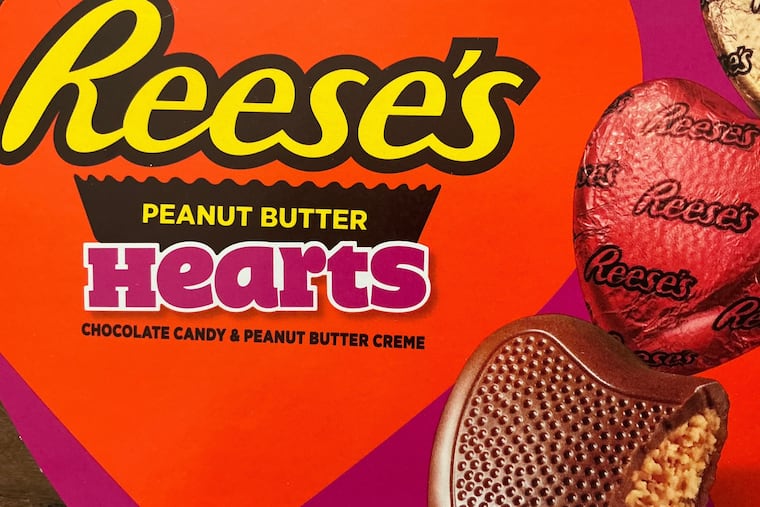
In his correspondence dated February 14, Brad Reese pointed out that the company has replaced traditional milk chocolate with less expensive compound coatings and has substituted peanut butter with peanut butter crème in numerous Reese’s products. He questioned how The Hershey Company could continue to position Reese’s as a trusted brand while making alterations to the foundational ingredients that established its reputation.
H.B. Reese, the grandfather of Brad Reese, developed Reese’s Peanut Butter Cups in 1928. After a brief tenure at Hershey, he founded his own company, which was later purchased by Hershey in 1963, after the Reese family built a legendary candy legacy. Despite Brad Reese’s allegations concerning ingredient alterations, Hershey maintains that the original Reese’s Peanut Butter Cups are still made using the same key ingredients, including milk chocolate and peanut butter, which the company produces itself. However, variations in ingredients exist across different product lines, as noted by the company.
Hershey attributed some product refinements to expansions in the Reese’s product line, arguing that these modifications allow the company to introduce innovative sizes and shapes that cater to evolving consumer preferences. While some loyal consumers, including Brad Reese, have expressed disappointment, Hershey has assured that the essence of Reese’s, characterized by the blend of chocolate and peanut butter, remains intact.
Brad Reese believes that the current formulations detract from the overall quality and experience that consumers expect from Reese’s products. Citing a recent experience with new Reese’s Mini Hearts, he expressed his dismay over the packaging, which advertised the candies as made from “chocolate candy” instead of true milk chocolate. Food labeling regulations in the U.S. establish strict definitions for chocolate products, and Hershey has utilized terminology that allows for some flexibility in these guidelines.
The criticisms leveled by Brad Reese highlight concerns among consumers who feel that recent changes have negatively impacted flavor and quality, potentially undermining the brand’s legacy. Hershey’s strategy to innovate may need to balance with maintaining the trust and satisfaction of its long-standing customers, a principle echoing the philosophy of the company’s founder, Milton Hershey, who famously stated that providing quality is the best form of advertising.
As Hershey continues to navigate the complexities of modern consumer preferences and ingredient costs, the scrutiny from members of the Reese family underscores the deep emotional connection many consumers have with iconic brands and the importance of preserving their heritage.
This ongoing discourse raises questions about the future direction of one of America’s most beloved candy brands, as it attempts to reconcile innovation with tradition amidst a rapidly evolving market landscape.
Media News Source.