Jewish Tradition: Chinese Food Is a Popular Christmas Meal Choice
As the holiday season approaches in the United States, a palpable cultural dynamic emerges, particularly for American Jews reflecting on their experiences during Christmas. This time of year can evoke mixed emotions, especially for those aware of their minority status in a predominantly Christian society. While some Jewish individuals may wish to engage in the festive spirit of Christmas, they often navigate this landscape with a sense of ambivalence, seeking joy while recognizing the day does not belong to them.
The essence of Christmas, with its widespread celebrations, can leave many in the Jewish community feeling somewhat alienated. Although the holiday is rich in traditions that resonate deeply with many, for Jews, it often serves as a reminder of their distinct cultural and religious identity. Secular elements, such as gathering around Christmas trees or enjoying festive decor, may provide fleeting comfort, yet the reality remains that these celebrations are largely not meant for them.
Despite this, there is no inherent objection to the merry-making associated with the season. There is a growing understanding that feelings of joy and connection experienced by others should not detract from one’s own sense of identity. Many Jews embrace the spirit of goodwill, wishing others a merry Christmas, recognizing that the joy of this holiday is meaningful and should be celebrated.
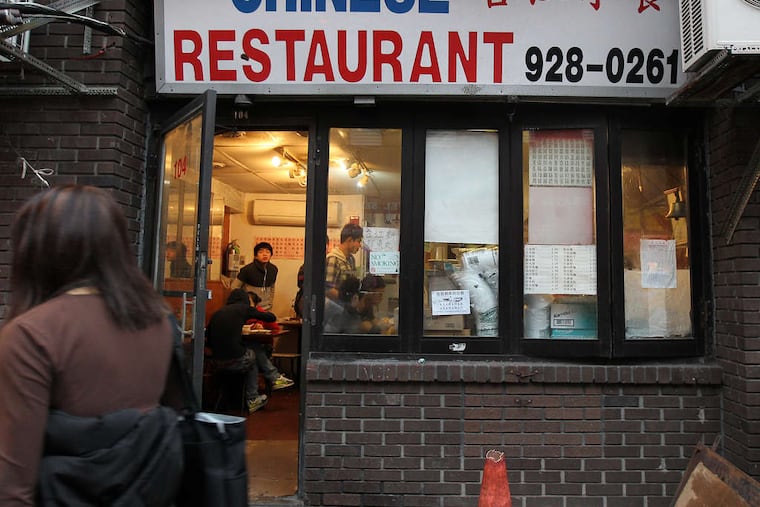
Interestingly, one adaptation that has emerged within the Jewish community during Christmas is the longstanding tradition of dining at Chinese restaurants on this holiday. This practice, which can appear as both an adaptation and an emerging tradition, showcases how different cultures can intersect. Conversely, the experience of sharing a meal in these establishments offers not only culinary delight but also a sense of belonging, as Jewish families gather to celebrate their unique identities on a day that is not their own.
This phenomenon represents more than just a meal; it encapsulates a shared sense of community and cultural resilience. As families return year after year to their favorite restaurants, they further reinforce their bonds, highlighting the importance of togetherness in navigating their collective identity. This gathering often provides a mutual exchange of joy, as restaurant owners reciprocate the warmth and camaraderie that characterize the experience.
The ability to find laughter and connection in what might otherwise be seen as a comedic irony—the celebration of Jewish identity within a Chinese restaurant during a Christian holiday—serves to remind us of the intricate tapestry of American cultural life. This blending of identities fosters a deeper understanding of the shared human experience and the celebration of diversity amidst the backdrop of a season dominated by a single holiday.
In conclusion, the experience of Jews during the Christmas holiday, while multifaceted, underscores themes of adaptation and resilience. It illustrates the richness of cultural exchange and the enduring bonds found within communities, regardless of faith. As Christmas reverberates across the country, the ability to engage in joy, even as observers, affirms the complexity and beauty of identity in America.
Media News Source