
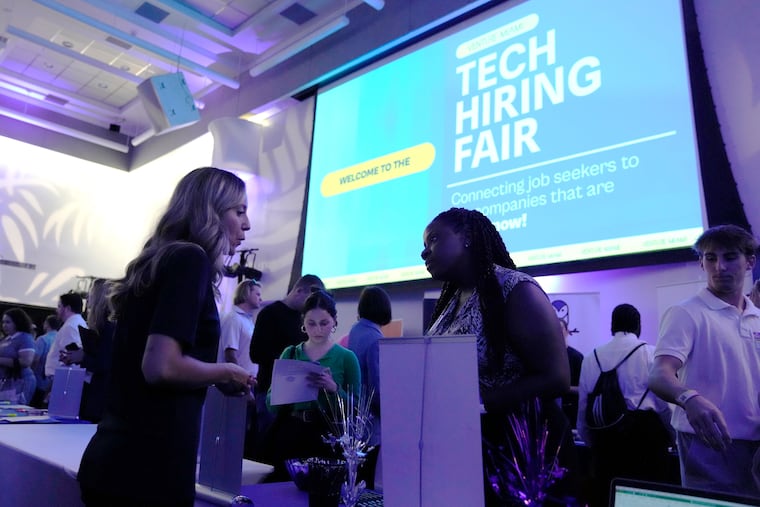
Job seekers in the technology sector face an impending recession.
The latest analysis of the labor market indicates a challenging period ahead for the technology sector, which has increasingly seen workforce reductions. According to a report from CompTIA, a provider of IT training and certifications, the unemployment rate for tech jobs has risen to 4% in November, increasing steadily since May. Data reveals a decrease of 134,000 technology workers across various industries from October to November, with a loss of over 6,800 positions within the tech sector itself. Job postings in technology have also witnessed a decline, dropping by more than 31,800, as reported by the Bureau of Labor Statistics in conjunction with California-based market intelligence firm Lightcast.
Economists interpret these trends as indicative of significant difficulties within the tech industry. Mark Zandi, chief economist at Moody’s, emphasized that the sector is currently experiencing a jobs recession, with the downward trend in job postings likely to persist. This turmoil comes amid a broader reshaping of the tech landscape, characterized by economic uncertainties, organizational shifts toward artificial intelligence, and an emphasis on cost efficiency. Major tech firms such as Amazon, Meta, and Microsoft have implemented extensive layoffs while simultaneously reporting substantial revenues and committing considerable resources to AI development.
Despite some ongoing hiring within specific areas—particularly for positions tied to artificial intelligence—economists express cautious outlooks. Although the unemployment rate for tech jobs remains lower than the national rate of 4.6%, this gap is tightening, with tech unemployment rising at a faster pace than the national average in recent months.
The current landscape of job loss largely affects roles in software development, cybersecurity, and web consultancy, primarily due to decreasing investments in technology projects and reduced government contracts. Tim Herbert, chief research officer at CompTIA, noted that companies may be postponing tech consulting engagements, a trend that could reflect broader economic challenges across various sectors.
Employers are largely adopting a “wait and see” approach to hiring amidst the uncertain economic climate and the implications of AI advancements, potentially delaying the replacement of vacant positions. Meanwhile, rapid advancements in AI are creating a dichotomy in job availability; individuals equipped with AI skills are finding opportunities, while those lacking such skills face increased challenges in the job market.
As the economic landscape continues to evolve, experts urge close monitoring of job market statistics over the next several months, as isolated data may not fully capture underlying trends. The varied impact of AI across different industries suggests that some roles may face immediate pressures, highlighting the need for adaptability in the workforce. The data underscores the necessity for job seekers to develop skills aligned with emerging technologies to remain competitive in a transforming labor market.
Unquestionably, the tech industry’s path forward remains uncertain, and stakeholders must remain vigilant in observing ongoing developments. The intersection of economic conditions and technological evolution will play a crucial role in shaping the future landscape of employment within the sector.
Media News Source


