Job seekers with DEI experience face additional challenges, new research reveals.
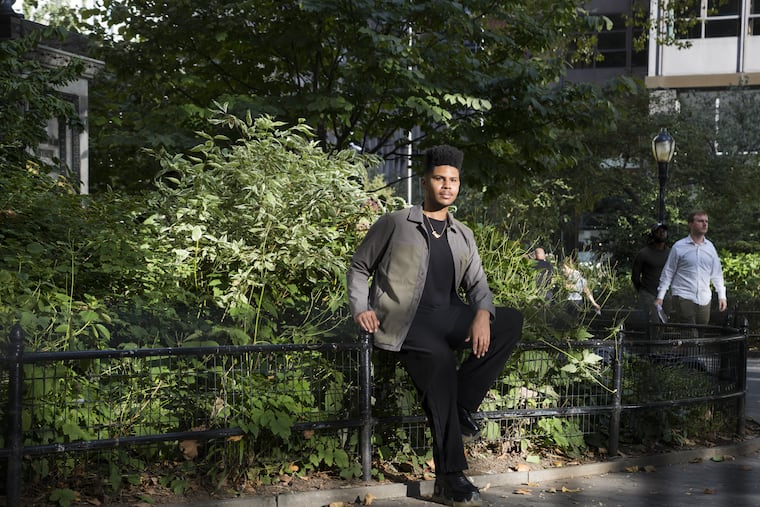
In a rapidly shifting employment landscape, professionals with expertise in diversity, equity, and inclusion (DEI) are finding themselves facing unexpected challenges in their job searches. David Daniels IV, a New York resident, recently experienced the precariousness of this situation after completing a rigorous seven-round interview process for a recruiting job. Despite his qualifications, including prior roles at notable companies such as Lululemon Athletica Inc., he ultimately did not receive a job offer. He learned through discussions surrounding his reference checks that concerns about his background in DEI had adversely impacted his candidacy.
Daniels is not alone. Many individuals with DEI experience are experiencing similar setbacks in an increasingly competitive job market. Once considered invaluable assets, in recent years, professionals in DEI roles have faced increasing scrutiny and skepticism. This shift has been influenced in part by political rhetoric, particularly from conservative factions who critique diversity initiatives as discriminatory. The administration of former President Donald Trump intensified this scrutiny, leading many corporations to reassess their commitment to DEI programs. In response to potential legal challenges and fears of losing government contracts, numerous companies began dismantling or reducing their diversity efforts.
The fallout from these corporate shifts has left many DEI professionals displaced in a job market already strained by economic factors. Approximately a quarter of the unemployed labor force is currently experiencing extended joblessness, marking the highest rate since the mid-2010s, excluding the pandemic period. DEI specialists report a marked decline in recruiter interest compared to previous years, forcing many to alter their resumes, removing the DEI label to improve their job prospects or consider career changes entirely.
In the ongoing job search, individuals like Josue Mendez, former employee of Ogilvy’s diversity group, have encountered direct fallout from their DEI backgrounds. After participating in an award-winning program focused on Black male leadership, Mendez experienced rejection during interviews once potential employers realized his DEI experience. He described a disheartening shift in tone during conversations with recruiters once his past work was disclosed.
Despite the challenging climate, a handful of larger corporations, such as Delta Air Lines Inc., Southwest Airlines Co., and Coca-Cola Co., continue to publicly uphold their commitments to workplace diversity. However, many others have scaled back initiatives significantly, with some companies like Amazon halting programs altogether and Goldman Sachs reversing policies related to diverse board memberships.
The current market has seen new job postings for DEI roles nearly halved compared to previous years, raising questions about the future of diversity initiatives within corporate structures. Victoria Person, a former consultant in the field, recounts the discomfort she faces in networking scenarios where her DEI experience leads to awkward silences or changes of subject.
For many, the professional landscape shifted after the 2016 election, including individuals like Marie, who previously thrived in DEI roles. As she navigates job prospects, she has noticed companies re-advertising previously filled roles, often reversing their stances on diversity once they realize the mixed sentiments within their executive teams.
Within this tumultuous environment, former DEI professionals are banding together to support one another through groups designed to highlight their transferrable skills, emphasizing that their abilities extend far beyond their specific roles.
Although the current situation appears grim for DEI advocates, many still harbor hope for a resurgence of robust and inclusive diversity initiatives. As the landscape continues to evolve, these professionals remain committed to long-term changes in social justice. Despite present challenges, they reflect on the cyclical nature of societal progress, suggesting that shifts in focus and momentum are intrinsic to the ongoing dialogue surrounding diversity in America.
Media News Source