Job Seekers with ‘DEI’ on Their Resumes Face Increased Challenges in Hiring Processes
In recent years, the landscape for diversity, equity, and inclusion (DEI) professionals has shifted dramatically, presenting formidable challenges for those within the field. Once viewed as invaluable assets to organizations, many DEI experts are now finding their credentials a potential liability in a job market that has become increasingly skeptical of diversity initiatives.
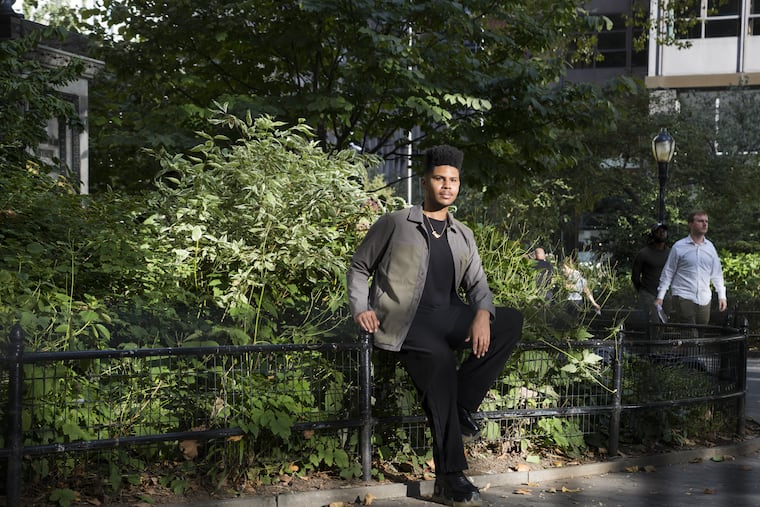
David Daniels IV, a former professional with experience at high-profile firms such as Lululemon Athletica, recently faced a near-offer for a recruiting role that vanished following a reference check. Discussions surrounding his DEI background raised concerns for the hiring organization, ultimately resulting in a missed opportunity. Daniels describes the current sentiment in the employment market as one of unease around hiring individuals with DEI experience, positing that such backgrounds may now carry a stigma rather than a badge of honor.
The political climate has significantly influenced perceptions surrounding DEI roles. Conservative criticism has labeled diversity initiatives as exclusionary, while former President Donald Trump’s administration frequently disparaged these programs, coining terms like “illegal DEI.” This reaction prompted many corporations to halt or retool their diversity programs urgently, fearing legal repercussions and potential loss of government contracts.
As a result, DEI professionals, previously considered vital to fostering inclusive workplaces, now face intensified competition as they navigate a constricted job market. Reports indicate that approximately 25% of unemployed individuals have been jobless for six months or longer, marking the highest rate since mid-2010, excluding periods during the pandemic. Many DEI experts are finding it necessary to eliminate specific references to their experience from resumes or pivot into related sectors such as human resources, public affairs, or marketing in pursuit of employment.
The impact of these developments can be observed in individual job seekers’ accounts. Josue Mendez, a former member of Ogilvy’s diversity team, experienced a chilling reaction from a recruiter upon disclosing his DEI background. Mendez’s story reflects a broader trend where hiring managers, upon learning of candidates’ DEI experiences, are opting to reconsider their interest or retract offers.
Despite a notable decline in hiring for DEI positions—nearly halving from previous years—some corporations like Delta Air Lines and Coca-Cola maintain publicly visible commitments to diversity. However, larger entities, including Amazon and McDonald’s, have retracted their diversity commitments, evidencing a palpable shift away from these initiatives driven by legal and reputational concerns.
With the evolving perceptions of diversity work, individuals like Victoria Person and Carlos Ayala describe their experiences of stigma during job searches. Networking events often lead to uncomfortable conversations when their DEI backgrounds surface, indicating a cultural shift that leaves many DEI professionals feeling sidelined.
In the midst of this turmoil, hope remains precarious. Some professionals believe that future iterations of diversity programs may emerge more robustly and inclusively. For those like Daniels, who are working to adapt their profiles and reassure potential employers of their commitment to broader organizational goals, the journey continues. While the current climate poses substantial challenges, the ongoing dialogue around social justice remains a crucial factor in the progression of workplace diversity efforts in the long term.