Judge rejects request to terminate settlement agreement with bank accused of redlining in Philadelphia.
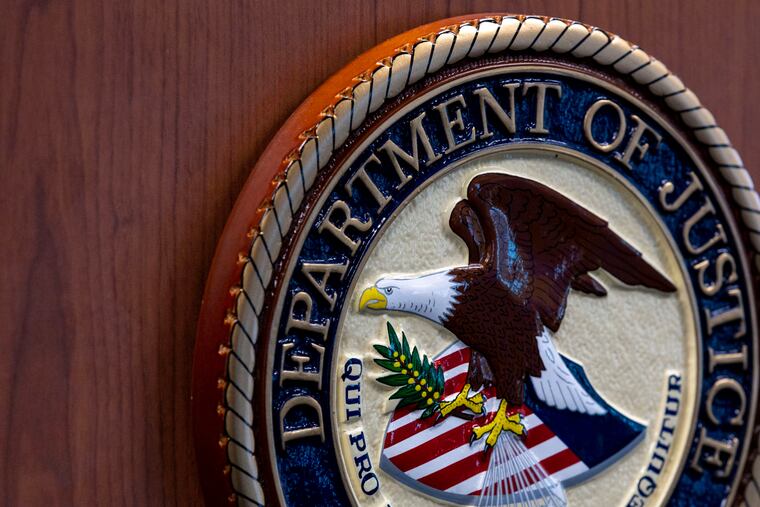
A federal judge in Philadelphia has ruled against a request from the Justice Department seeking to terminate a settlement agreement with ESSA Bank & Trust, which was accused of engaging in discriminatory lending practices in predominantly Black and Hispanic neighborhoods. This decision comes at a time when the Justice Department has been attempting to end similar fair-housing agreements across the United States, a move that has drawn scrutiny regarding its implications for civil rights protections.
The settlement agreement, which was established after the Justice Department’s allegations in 2023, required ESSA Bank to allocate over .9 million in loan subsidies for homebuyers in areas that had previously been subjected to redlining. Though ESSA Bank denied the accusations of discrimination, it entered into the settlement in an effort to address the concerns raised by the federal government and improve its lending practices in the affected communities.
In a ruling issued on Wednesday, U.S. District Judge Michael M. Baylson rejected the assertion by the Justice Department that the bank had sufficiently complied with the terms of the agreement. The judge emphasized that even the “partial satisfaction” of the settlement did not fulfill its intended purpose of correcting past discriminatory practices. He argued that the agreement must remain in effect for its remaining three years to ensure that the objectives of federal antidiscrimination laws are met, bringing tangible benefits to the residents of Philadelphia.
The National Fair Housing Alliance and various civil rights organizations intervened in the legal proceedings, highlighting the potential risks associated with an early termination of the settlement. They contended that dismantling the agreement would undermine hard-won protections and leave residents at risk of discrimination. Advocacy groups have been vocal in their support of the ruling, noting that it signals a significant commitment to combating lending discrimination in communities that have historically faced systematic disenfranchisement.
Despite the bank’s reported commitment to remediation, Judge Baylson expressed skepticism about whether ESSA Bank would maintain compliance if the settlement were to be dissolved prematurely. Observers of the case note that the ruling reinforces the critical importance of adhering to legal remedies designed to protect vulnerable communities from discriminatory practices in housing and lending.
The decision serves as a reminder of the continuing struggle against redlining and the broader fight for equitable access to financial resources for all individuals, regardless of their racial or ethnic background. The ongoing enforcement of the settlement agreement is poised to play a pivotal role in shaping the lending landscape in Philadelphia and ensuring that harmed communities receive the support and access they deserve.
This ruling underscores the judiciary’s role in upholding civil rights protections, particularly in the realm of housing and lending, where historical injustices continue to resonate.
Media News Source