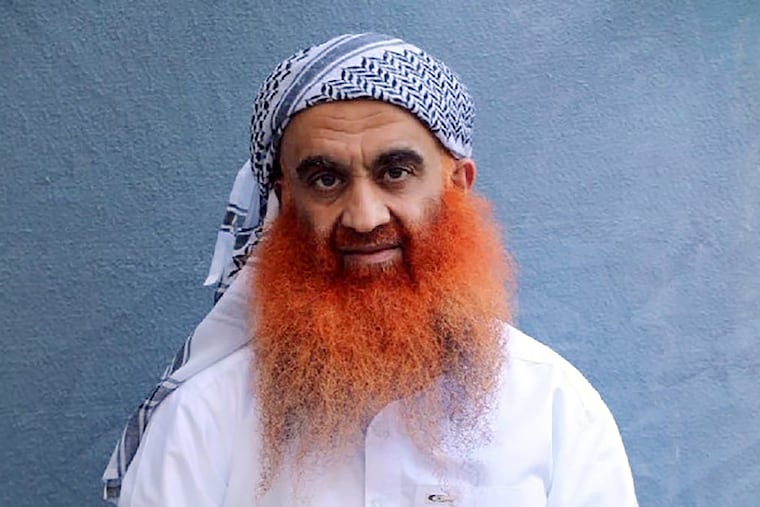
Judge rules to exclude important confession in September 11 case.
In a significant setback for the prosecution in the case against Khalid Sheikh Mohammed, the alleged mastermind of the September 11 attacks, a military judge has ruled that confessions made by Mohammed to FBI agents in 2007 were involuntary and cannot be used as evidence in his trial. This ruling was announced on Friday, shortly before the 25th anniversary of the tragic events of September 11, 2001, raising concerns among victims’ families and survivors about the ever-delayed pursuit of justice.
The confessions, obtained during interrogations at Guantánamo Bay, Cuba, were deemed by prosecutors to be crucial evidence in a long-standing case seeking the death penalty for Mohammed. The implications of the judge’s ruling may further extend the timeline for a trial, particularly if the prosecution opts to appeal the decision. The trial, initially scheduled for June 5, 2028, could face additional postponements as legal proceedings unfold.
Khalid Sheikh Mohammed is charged with orchestrating the attacks that resulted in nearly 3,000 fatalities across New York, Pennsylvania, and at the Pentagon. Following his capture in 2003, he endured harsh interrogations by the CIA in undisclosed overseas detention centers before being transferred to Guantánamo in 2006. Statements from those earlier interrogations were already excluded from the evidence against him.
The ruling from Lt. Col. Michael Schrama stretches beyond just the interrogations at Guantánamo; it casts a shadow over the entire treatment Mohammed received while in U.S. custody. The judge highlighted a continuum of psychological coercion stemming from the CIA’s techniques, questioning the voluntariness of his confessions. Furthermore, it was noted that FBI agents failed to inform Mohammed adequately of his rights, such as the right to counsel and the implications of his statements.
Rear Admiral Aaron C. Rugh, the chief prosecutor, stated that his team would carefully assess the ruling and make a decision regarding a potential appeal shortly. Prosecutors have been granted a five-day window to decide, with the option to request an extension.
Debate surrounding the impact of torture on the case has persisted for years. Defense attorneys argue that the psychological and physical coercion applied by the CIA compromised the integrity of Mohammed’s statements, limiting his right to a fair trial. Mohammed’s experience in isolation and his lack of legal counsel prior to his confession have raised profound questions about the methods employed in obtaining evidence.
As the legal proceedings continue, additional defendants connected to the September 11 case await rulings regarding their own confessions, further complicating an already lengthy legal process. The case has been in pretrial stages since 2012, with previous judges examining the effects of alleged torture and mental competency. The ongoing developments suggest that the pursuit of justice in this pivotal case remains a complex and contentious issue.
With a legacy of tragedy and unresolved legal battles, the families of victims and survivors continue to grapple with the possibility that they may not see a resolution to the case that has haunted America for decades.