
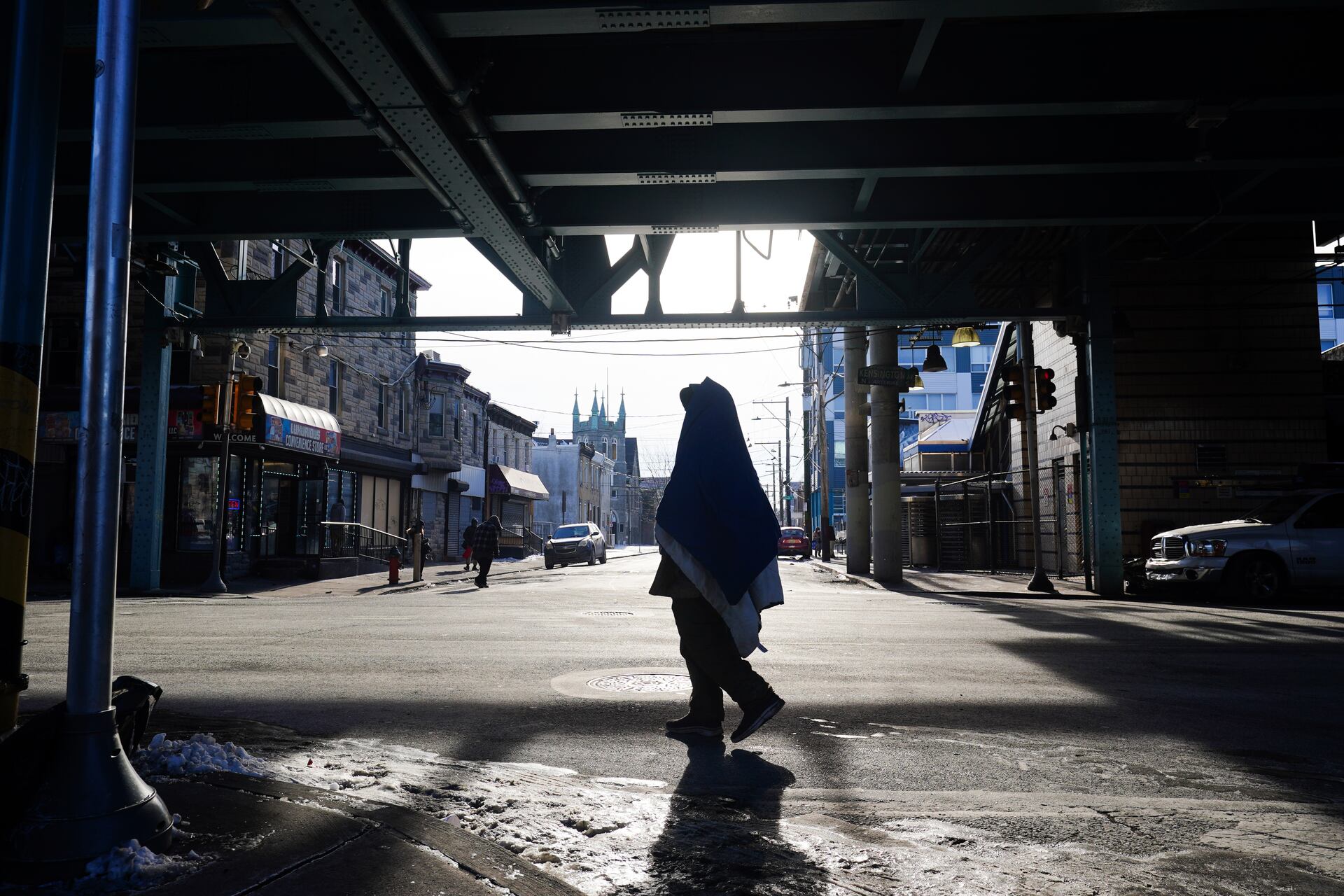
Kensington reports a decrease in shootings and street presence, but the open-air drug market continues to operate.
In Kensington, one of Philadelphia’s neighborhoods plagued by drug-related challenges, there appears to be a marked change as city officials and residents report slow but observable progress in addressing chronic issues. Three years ago, the streets were often chaotic, with visible drug use, rampant violence, and little in the way of safety for residents. Today, many, including Gloria Cartagena Hart, a longtime local, express cautious optimism. She has noted a reduction in visible drug dealing and a significant increase in police patrols.
This transformation can be attributed to the efforts of Mayor Cherelle L. Parker’s administration, which has implemented strategies to combat the drug crises that have plagued Kensington for decades. According to police data, the neighborhood has seen a reduction in homeless individuals living on the streets, halved compared to the previous year. Consequently, gun violence—historically tied to the local drug economy—has reached its lowest level in generations.
Despite these advances, challenges remain. Residents report that although drug dealers might be less conspicuous, they have simply shifted their operations to other areas. Many locals contend that improvements are superficial and that the city’s strategies often push homelessness into neighborhoods less prepared to handle it. Critics argue that simply relocating the drug market does not address the root problems.
City service agencies have started to provide quicker access to treatment facilities for drug users as a part of a comprehensive approach to recovery. One notable establishment, the 0 million Riverview Wellness Village, aims to reduce the likelihood of relapses by offering supportive housing and recovery services. However, while those involved in treatment report improved access, the city continues to grapple with systemic homelessness and the complexities of addiction.
Police presence has nearly tripled, instigating a sharp decline in violent crimes—shootings in Kensington have dropped by 82% this year compared to last. Yet, despite these reductions, concerns persist. Some critics note that while the police have better addressed overt drug activity, many feel the neighborhood remains volatile.
The efficacy of Kensington’s revitalization efforts also hinges on broader systemic challenges, including the ongoing proliferation of drugs like medetomidine, which bring new complications to addiction recovery efforts. Experts maintain that the control over drug-related issues is still elusive, posing a monumental challenge in dismantling the entrenched drug economy in Philadelphia.
In summary, while Kensington shows signs of progress, the complexity of its challenges necessitates continued vigilance and community engagement to facilitate lasting change.


