Kindergarten vaccine exemptions reach record high, with significant increases reported in recent statistics.
The share of U.S. kindergartners seeking exemptions from mandatory vaccination requirements has reached a new record high for the 2025-2026 school year, according to data released by federal health authorities. The percentage of students granted exemptions rose from 3.6% to 4.2%, translating into approximately 155,000 students. This trend reflects a continuing decline in childhood immunization rates across the country, coinciding with a significant resurgence of measles, which is at its highest level in 35 years.
As exemptions have escalated, vaccination coverage among U.S. kindergartners has experienced a slight decline, according to the Centers for Disease Control and Prevention (CDC). Vaccination rates for essential vaccines—namely measles, mumps, and rubella (MMR); diphtheria, tetanus, and pertussis (DTaP); poliovirus; and varicella (chickenpox)—decreased in more than half of the states for the second consecutive year.
The rise in exemptions has been notably influenced by families opting for nonmedical exemptions, with data showing increases in 41 states and the District of Columbia. In total, 24 states now report exemption rates exceeding 5%. This shift raises concerns regarding herd immunity, which is critical for controlling preventable diseases.
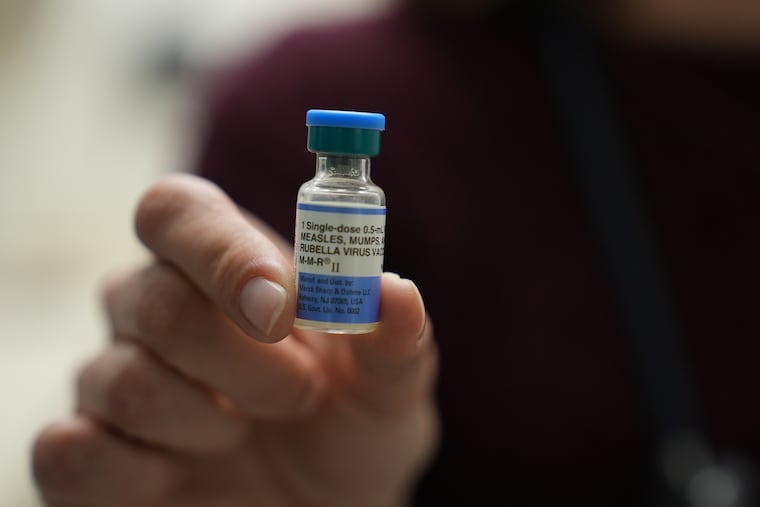
In a related development, political leaders are pushing for substantial modifications to the childhood immunization schedule, a move criticized by public health experts. Recently, former President Donald Trump directed federal officials to separate the MMR vaccine into individual shots and to space out vaccination visits. Health authorities have reiterated that there is no scientific backing for the separation of the MMR vaccine, which has been a proven and effective tool for preventing measles outbreaks.
Current statistics reveal that 92.4% of kindergartners have received the requisite two doses of the MMR vaccine for the 2025-2026 year, down from 92.5% the previous year. Notably, pre-pandemic figures stood at 95%, a threshold vital for preventing outbreaks. Additionally, 280,000 kindergartners entered school without proper vaccination documentation.
As the CDC continues to confront this growing public health challenge, it highlighted the impact of informational outreach from trusted health professionals, which is crucial in ensuring that parents make informed decisions regarding vaccinations. The agency noted its commitment to encouraging discussions between parents and healthcare providers about vaccination options.
Furthermore, public officials have acknowledged rising measles cases, with the current count reaching 2,566, surpassing all recorded cases from the previous year. The CDC emphasized the significance of adhering to vaccination protocols, asserting their role in safeguarding community health.
As debates surrounding vaccine policy continue, the conflict between governmental initiatives and CDC recommendations presents complex challenges for public health governance. The immediate implications of this rising exemption trend call for renewed attention to childhood immunization efforts to ensure the health and safety of future generations.
For parents concerned about vaccination requirements, it is essential to recognize that while the federal government sets baseline guidelines, individual states often determine specific requirements for school attendance. Public health experts suggest consulting state health departments and reputable medical organizations for clarity on vaccination policies.
In a landscape where vaccine misinformation persists, robust communication regarding the safety and efficacy of vaccinations remains paramount. Extensive research supports the MMR vaccine’s effectiveness, with two doses providing approximately 97% protection against measles, a disease that can provoke severe health complications.
As the public health community navigates these challenges, the pursuit of effective vaccine policy remains critical to safeguarding the health of children and communities across the nation.