
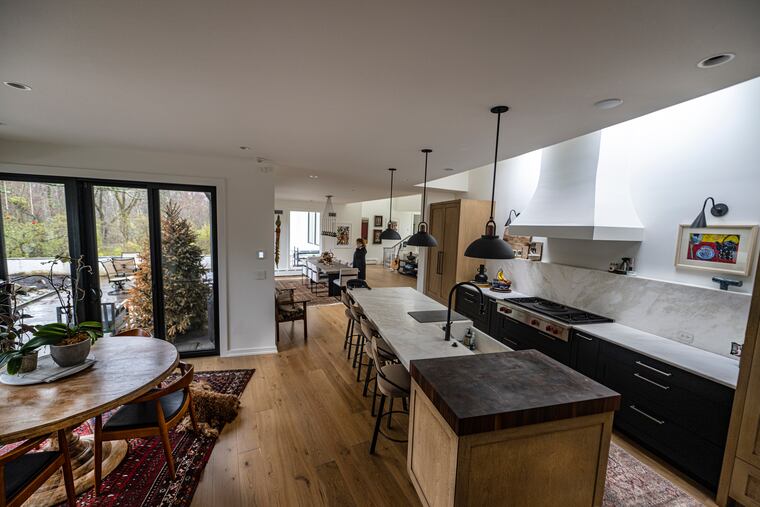
Kitchen renovations adopt advanced features as high-end appliances become widely available.
The evolution of kitchen appliances is revolutionizing how people prepare meals and manage their culinary spaces. As homeowners increasingly prioritize modern conveniences, appliances equipped with smart technology are gaining popularity. Bob Cole, a devoted home chef in Lower Gwynedd, exemplifies this trend. After renovating his kitchen in 2021, Cole invested in high-end appliances including a Wolf gas range, Cove dishwasher, Wolf convection steam oven, and a Sub-Zero refrigerator, all of which have enhanced his cooking experience.
The global smart kitchen appliances market is experiencing significant growth, with estimates suggesting a value of nearly billion in 2024, projected to reach nearly billion in 2025, and a staggering billion by 2033, according to research from Strait’s Research. This surge is attributed to the demand for appliances that simplify cooking and cleaning, catering to both gourmet chefs and busy families alike.
Smart appliances are enriching the kitchen experience through features that allow users to manage cooking tasks remotely. These innovations enable homeowners to preheat ovens from their smartphones while on their way home or check their refrigerator’s contents via an integrated camera, ensuring they never run out of essentials.
Over time, smart technology has transitioned from being exclusive to premium brands to becoming accessible in entry-level options from companies like GE, Samsung, and LG. Such features not only improve user experience but also assist manufacturers in diagnosing issues quickly, reducing downtime and enhancing efficiency.
Smart refrigerators, for instance, are now capable of alerting users about door openings and temperature irregularities while providing insights into inventory through internal cameras. Meanwhile, modern ovens equipped with precise probe sensors ensure precise cooking, sending notifications when food reaches perfection. Steam ovens have become a favored method for reheating foods, utilizing moisture to maintain flavor and texture, unlike traditional microwaves.
Moreover, induction stovetops are becoming increasingly popular among homeowners for their efficiency and safety. By using electromagnetic energy, induction cooking heats cookware directly, resulting in quicker cooking times and a cooler surface—reducing the risk of burns.
As homeowners make appliance choices, experts advise prioritizing features that align with individual cooking styles and needs. Customizable options and cooking demonstrations are frequently offered by design studios to assist clients in navigating the increasingly complex appliance landscape. Ultimately, the smart appliance trend underscores a broader shift towards intuitive kitchen technologies that cater to modern cooking demands, enhancing culinary experiences for users.
The ongoing advancements in kitchen appliances not only facilitate convenience but also contribute to a more engaging and efficient cooking environment, revolutionizing how meals are prepared and enjoyed. For those planning a kitchen upgrade, understanding these innovations will be crucial.
Media News Source


