Kraft Heinz will eliminate artificial dyes from its U.S. products starting in 2027.
Kraft Heinz has announced a significant shift in its U.S. product formulations, declaring plans to eliminate the use of artificial dyes by 2027. This decision comes in the wake of recent statements from U.S. health authorities urging food manufacturers to phase out petroleum-derived artificial colors from the American food supply.
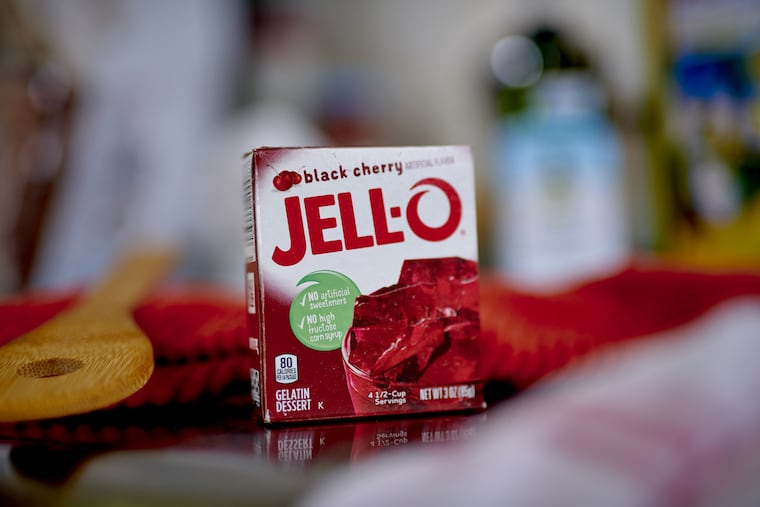
According to Kraft Heinz, nearly 90% of its existing U.S. offerings do not contain synthetic color additives. The company confirmed that it will remove artificial dyes from the remaining products by the end of 2027. These colorings, specifically FDA-approved food, drug, and cosmetic colors known as FD&C colors, are primarily found in beverages and desserts. Notable brands affected include Crystal Light, Kool-Aid, Jell-O, and Jet Puffed marshmallows.
The transition to natural colors is designed to align with consumer demand for cleaner ingredients. Kraft Heinz has been gradually reducing its use of these synthetic dyes over recent years, exemplified by its 2016 decision to remove artificial colors, flavors, and preservatives from its macaroni and cheese line. The company has also clarified that it has never incorporated artificial dyes into its ketchup.
As part of its new initiative, Kraft Heinz plans to collaborate with its brand licensees to ensure a widespread reduction of synthetic dyes throughout its supply chain. This proactive approach reflects a broader movement within the food industry, responding to long-standing advocacy from health professionals who caution against the potential neurobehavioral effects associated with artificial dyes, particularly in children. Despite these concerns, the FDA maintains that the majority of children do not face adverse effects from consuming foods with dye additives.
The FDA currently permits 36 food color additives, including eight synthetic dyes. In an earlier ruling, the agency announced plans to ban the dye known as Red 3 by 2027 due to its classification as a carcinogen in laboratory studies. This regulatory environment contrasts sharply with practices in regions such as Europe and Canada, where manufacturers often rely on natural colorants and are required to label synthetic dyes.
Amidst these changes, many U.S. food companies are reformulating their products. Alternatives to artificial colors include natural sources derived from beets, algae, and various fruits and vegetables. This pivot towards healthier, more transparent ingredient sourcing marks a notable shift in the food industry’s approach to consumer health and safety.
As the food landscape evolves, Kraft Heinz’s commitment to eliminating artificial dyes reflects both regulatory pressures and a growing consumer preference for authenticity in food products. This move is expected to further propel the discourse around food safety and ingredient integrity in the marketplace.
Media News Source