Labubu Event Takes Over Philadelphia Featuring Tattoos, Fashion, and Desserts
In the bustling neighborhood straddling East Kensington and Fishtown, Room 67, a private tattoo studio, stands as a creative oasis adorned with fairy lights and disco balls. Owned and operated by tattoo artist Rachel Behm, the studio radiates a welcoming ambiance. On a typical day, Behm meticulously prepares her work area, carefully selecting vibrant magenta and orange inks as she anticipates her next appointment. This particular client, however, is far from ordinary—it is a Labubu.
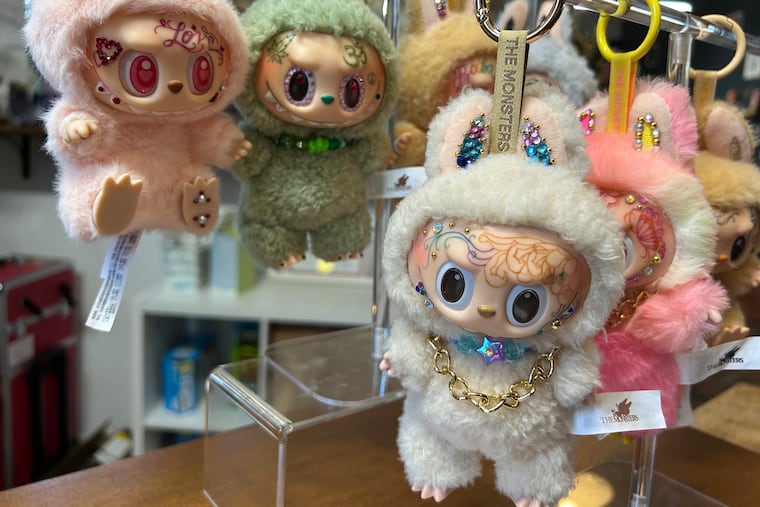
Labubus, whimsical creature figures resembling a playful fusion of Furby and troll characteristics, have recently surged in popularity, becoming the season’s must-have accessory. Initially emerging from Hong Kong in 2015, Labubus were conceived by artist Kasing Lung. Their fluffy bodies, expressive eyes, and playful grins have captivated a diverse audience, transitioning these figures from mere toys to coveted collectibles. Sold in blind boxes that maintain an element of surprise for buyers, the allure of Labubus lies in both their distinctive appearance and the thrill of discovery.
Alongside her personal affection for these creatures, Behm has capitalized on the trend, selling a line of customized extreme Bubus at Room 67. These are hand-tattooed dolls, embellished with gems, capturing the attention of collectors and enthusiasts alike. The creative phenomenon extends beyond her shop, with various businesses around Philadelphia embracing the Labubu trend; these characters have been adorned, dressed, and even transformed into culinary delights.
The popularity of Labubus can be attributed to their undeniable cuteness and the ongoing trend of using bag charms to express individuality. Shelly Horst, founder of the accessory brand Room Shop, notes that this cultural fascination is reminiscent of the Ty Beanie Babies phenomenon from previous generations. Social media platforms, particularly TikTok, have played a pivotal role in propelling Labubu’s visibility, inspiring collectors like Claire Williamson to engage with these toys fervently.
In addition to the original Labubus, a burgeoning resale market has emerged, driven by the frantic demand for authentic pieces. Some enterprising individuals have even created counterfeit versions, dubbed “Lafufus,” illustrating the immense popularity and cultural significance of the Labubu series.
Acquiring a Labubu now resembles a high-stakes chase, drawing comparisons to securing concert tickets for highly anticipated performances. Each Labubu purchased directly from Pop Mart, the company responsible for their creation, costs approximately , though the blind box format complicates the collection process. Compounding the challenge, legitimate retailers and local businesses frequently mark up prices significantly due to ongoing supply shortages, with prices reaching as high as .
In light of the Labubu craze, Room 67’s creators have also ventured into an innovative side business called “Tattubu,” which specializes in accessorizing and customizing these figures. The process mirrors tattooing techniques used on human clients, allowing Behm and her colleagues to engage with the creative aspects of this trend while filling a niche in the local market.
The popularity of Labubus showcases a unique intersection of whimsy, fashion, and personal expression—transcending beyond simple toys to become representations of status and creativity. As businesses and collectors embrace this cultural wave, the demand for both authentic and customized Labubus continues to flourish, highlighting a transformative moment in contemporary consumer trends.
Media News Source