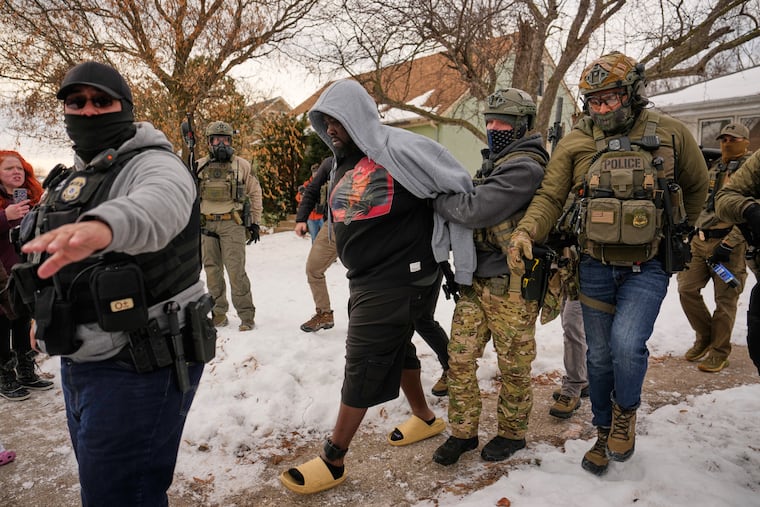
LAPD raises concerns over Trump’s plan to deploy Marines in Los Angeles.

The ongoing protests in Los Angeles against recent immigration arrests have prompted significant military responses from the United States government, including the deployment of Marines and an increased National Guard presence. As cities across the U.S. witness rising tensions surrounding immigration policies, the deployment aimed at restoring order has raised questions regarding effectiveness and the potential implications for civil liberties.
U.S. President Donald Trump ordered the dispatch of Marines to Los Angeles following the arrest of 44 individuals for immigration violations. This comes in conjunction with the bolstering of National Guard troops in the city, where the total number now stands at approximately 4,000 soldiers. Officials from Trump’s administration have indicated that these measures are intended to ensure the safety of local law enforcement and federal property, amid claims of inadequate local support from city authorities.
However, the deployment of military personnel has received criticism, not only from political opponents but also from within the Los Angeles Police Department (LAPD). Police Chief Jim McDonnell has expressed concerns about the logistical challenges posed by the presence of Marines, suggesting that coordination between military and local forces is crucial to maintain public safety during these turbulent times. Historically, a lack of communication among different law enforcement entities can escalate already tense situations.
The Marines, known for their specialized training in both land and sea operations, are now integrating with National Guard troops to navigate the unfolding unrest. Members of the Marine Corps are recruited through a rigorous selection process, emphasizing physical readiness and combat preparedness, which raises concerns about their role in civilian governance.
Remarkably, the current situation continues to unfold while the protests in Los Angeles have largely remained peaceful, highlighting a stark contrast to the historical violence of similar instances in the past, such as the 1992 riots following the Rodney King verdict. These events led to considerable loss of life and property. Today, it appears that the newly activated National Guard forces have witnessed minimal engagement with demonstrators, leading critics to question the necessity of sending additional military assets to the area.
The legal framework governing the deployment of military forces domestically is complex. Normally, significant military action within the U.S. requires invoking the Insurrection Act, a rare and serious step that escalates potential legal and constitutional conflicts. The Trump administration has defended its actions, stating they reflect a commitment to protecting federal law enforcement personnel and maintaining order in response to perceived threats.
While the LAPD works to manage the protests, local officials, including California Governor Gavin Newsom, have indicated their opposition to military involvement, signaling potential legal challenges against the federal government. As the situation in Los Angeles remains fluid, the intersection of law enforcement, civil liberties, and military intervention continues to pose critical questions for governance in the United States.
#PoliticsNews #MiddleEastNews