
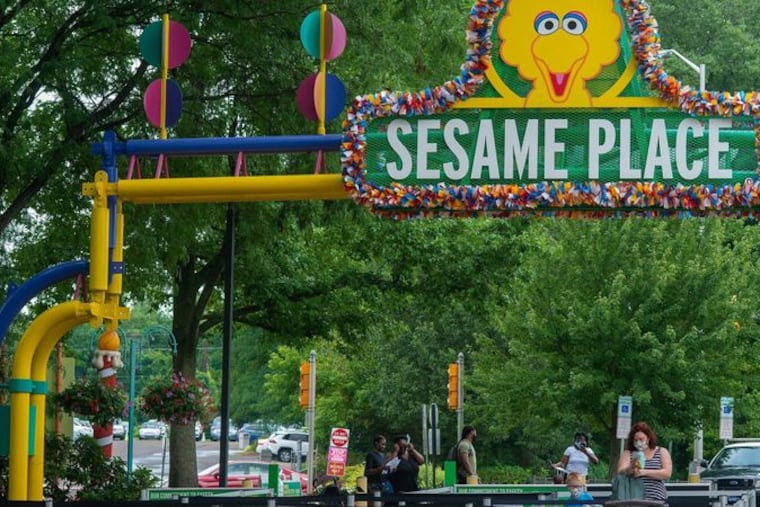
Lawsuit alleges Sesame Place owner is not paying royalties, putting the park’s future in jeopardy.
Sesame Workshop Files Lawsuit Against SeaWorld Over Royalties and Licensing Agreements
In a significant legal development, Sesame Workshop, the nonprofit organization that oversees the iconic children’s entertainment brand Sesame Street, has initiated a federal lawsuit against SeaWorld Entertainment Inc. The complaint centers on allegations that SeaWorld has failed to remit the royalty payments owed under their licensing agreement, as well as instances of what Sesame Workshop describes as retaliatory actions taken by the theme park operator.
According to the lawsuit filed in the Southern District of New York, Sesame Workshop has confronted ongoing issues with SeaWorld, particularly regarding the failure to pay nearly million in royalties plus accrued interest, an obligation affirmed by a federal court in 2024. Despite this ruling, SeaWorld reportedly withheld these payments until they were reluctantly disbursed in October. The ongoing dispute underscores a significant fracture in a partnership that has existed since the early 1980s, raising concerns about the future of the Sesame Place theme park in Langhorne, Pennsylvania.
As tensions escalated, SeaWorld allegedly responded to Sesame Workshop’s efforts to recover unpaid royalties by dismantling parts of their collaboration. Notably, the lawsuit indicates that SeaWorld abruptly closed the Sesame Street Bay of Play section in their San Antonio park after 13 years of operation, citing a shift in branding priorities. In addition, Sesame Workshop claims that SeaWorld has unilaterally altered park schedules and used Sesame Street intellectual property without prior approval, further violating the terms of their agreement.
The lawsuit also highlights instances where SeaWorld’s actions have reportedly tarnished the reputation of the Sesame Street brand, including the distribution of unapproved marketing materials that misrepresented the brand and disappointed families who had planned visits to the now-closed attractions.
SeaWorld, on the other hand, has publicly criticized Sesame Workshop for allegedly neglecting to invest adequately in the brand’s exposure and accused the nonprofit of breaching the licensing agreement. This dispute has been exacerbated by Sesame Workshop’s recent partnership with Netflix for the 56th season of Sesame Street, which contrasts with the previous distribution agreement with HBO Max that SeaWorld cited.
As the legal proceedings unfold, both parties appear poised for a protracted battle in court, with SeaWorld expressing confidence in their position and Sesame Workshop steadfast in its commitment to protecting the integrity and financial viability of the beloved children’s program. This lawsuit not only represents a financial dispute but also raises broader questions about the management and future of iconic media properties within the context of changing market dynamics.
Media News Source


