Letters to the Editor published on December 14, 2025.
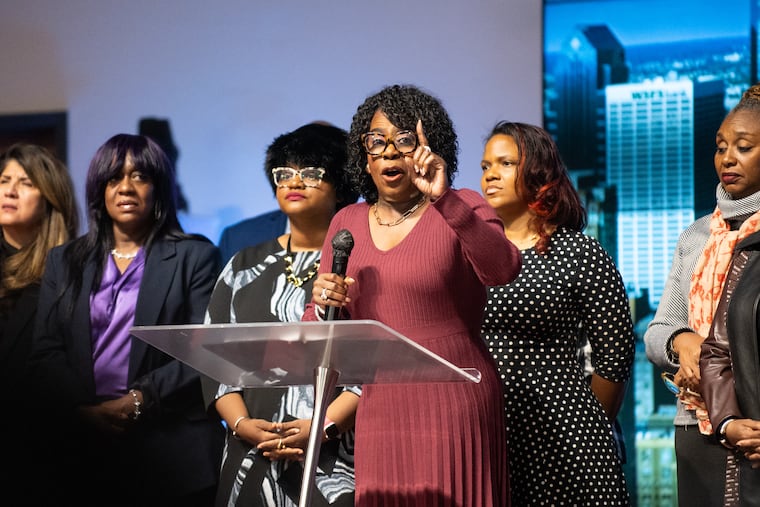
Mayor Cherelle L. Parker recently engaged in an ongoing debate regarding her H.O.M.E. (Housing Opportunity and Mobility for Everyone) initiative, asserting that proposed amendments aimed at prioritizing low-income families have the potential to create division within the community. She expressed concern that these changes could pit lower-income families against those slightly better off. However, many question whether prioritizing the most economically disadvantaged is, in fact, a divisive stance.
According to organizations such as the National Low-Income Housing Coalition and the National Alliance to End Homelessness, households earning 30% or less of the regional median income are significantly impacted by the ongoing housing crisis. The City Council’s proposed amendments suggest reallocating 90% of funding from specific programs to assist residents earning 60% of the median income, as opposed to the existing cap of 100%. Critics argue that the mayor’s portrayal of the amendments as a “subtraction” lacks a clear rationale. The fundamental question arises: what exactly is being subtracted?
If Mayor Parker is genuinely focused on alleviating the housing crisis, there is skepticism surrounding her reluctance to direct funds towards those who need assistance the most. The proposed amendments do not aim to diminish support across the board, but simply seek to redirect it toward those most in need. This approach aligns with principles of social equity and responsible governance. Nevertheless, Mayor Parker’s rhetoric appears to exacerbate divisions among Philadelphians, particularly when considering the intentions behind these amendments.
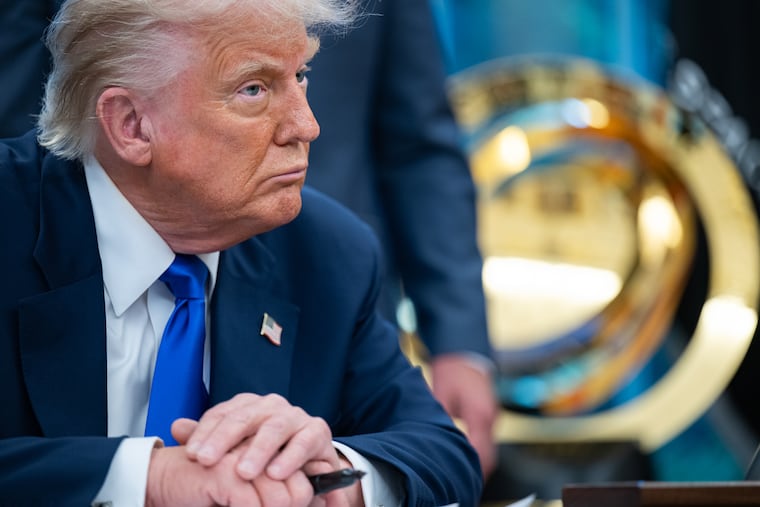
In a parallel discussion on healthcare, foreign-born medical professionals, historically filling critical roles in underserved areas, face financial barriers that further complicate staffing challenges in rural healthcare settings. Under a recent policy change enacted by the Trump administration, a substantial 0,000 H-1B visa application fee has been imposed on foreign medical professionals. This shift raises concerns regarding the availability of necessary healthcare in certain areas, such as North Carolina, where patients may be forced to travel significant distances for essential services.
Meanwhile, the U.S. Supreme Court’s recent oral arguments in the case of Trump v. Slaughter signal a potential shift in the balance of executive power, which raises concerns about the future of independent agencies. Analysts fear that a ruling against established precedents could empower executive authority significantly, diminishing checks on the executive branch.
As civic discussions continue to unfold across various domains, from housing and healthcare to broader questions of governance, it is essential that policymakers remain committed to equitable solutions while fostering unity rather than division within the community.
Media News Source