Letters to the Editor published on February 15, 2026.
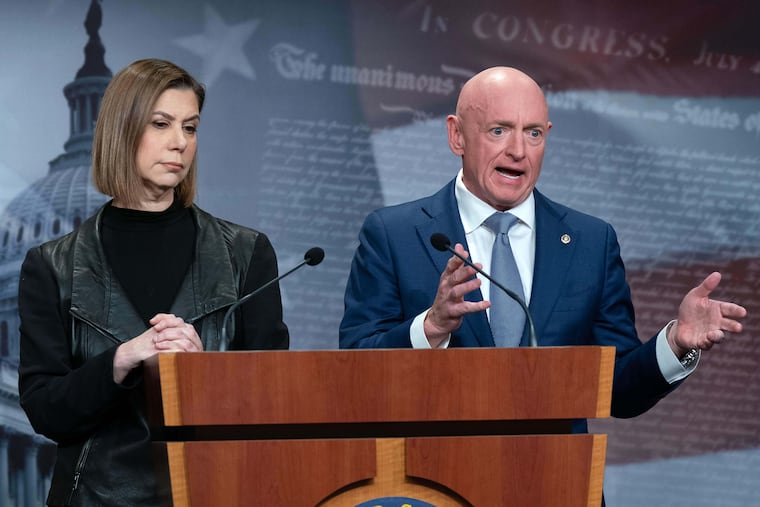
In a recent development, former President Donald Trump has leveled accusations of sedition against six Democratic officials. These officials have openly suggested that U.S. service members should refuse to comply with illegal orders. In response, Trump has directed prosecutors to pursue criminal charges against these political figures. However, a grand jury that reviewed the allegations declined to return an indictment, raising pertinent questions about the implications of such accusations and the broader context surrounding military ethics and lawful orders.
Central to this controversy is the question of whether Trump believes that military personnel should execute orders that are inherently illegal. Legal frameworks exist to protect service members who choose to disobey unlawful commands, a notion supported by precedents established during the Nuremberg Trials. These trials reinforced that the defense of “I was just following orders” is not a valid legal justification for unlawful actions. Notably, this raises significant concerns regarding the accountability of leadership and the ethical responsibilities of those in authority.
The issue at hand transcends individual accusations; it calls into question the integrity of military command structure and the moral obligations of both military personnel and political leaders. Analysts have voiced concerns that actions being taken by political leaders could undermine the principle of lawful military conduct and potentially lead to a erosion of trust within the armed forces.
In a broader societal context, faith leaders and community advocates have emphasized the importance of compassion and unity among citizens. They argue that sacred texts from various religious traditions urge followers to care for one another. Amid a tumultuous political landscape, these advocates are calling for a renewed commitment to collective well-being and social justice. They insist that now, more than ever, individuals should illuminate the darker corners of division and pursue constructive dialogue, particularly in the context of civic engagement and voter participation.
On a local level, citizens have expressed dissatisfaction with political dynamics, feeling that the integrity and cohesion of their communities are at stake. They emphasize the need for responsible governance and accountability within political institutions. This sentiment resonates with many who argue that the increasing divisiveness in political discourse is detrimental to societal progress.
As these discussions continue, the demand for urgent reform and constructive leadership grows louder, highlighting a collective yearning for a more just and unified society. The unfolding events pose critical questions not only about the legality of actions undertaken by public officials but also about the broader moral compass guiding American society today.
Media News Source