Letters to the Editor published on June 23, 2025, featuring reader perspectives and opinions.
Recent developments within the Democratic Party have raised questions about its leadership and organizational effectiveness as prominent figures, including labor leaders Randi Weingarten and Lee Sanders, alongside activist David Hogg, announced their departure from party leadership roles. This shift has prompted critical reflections on the party’s ability to respond to pressing issues, as highlighted by a recent editorial pointing out the Democrats’ failure to “meet the moment.” However, the need for introspection should extend beyond national leadership to local party organizations within communities.
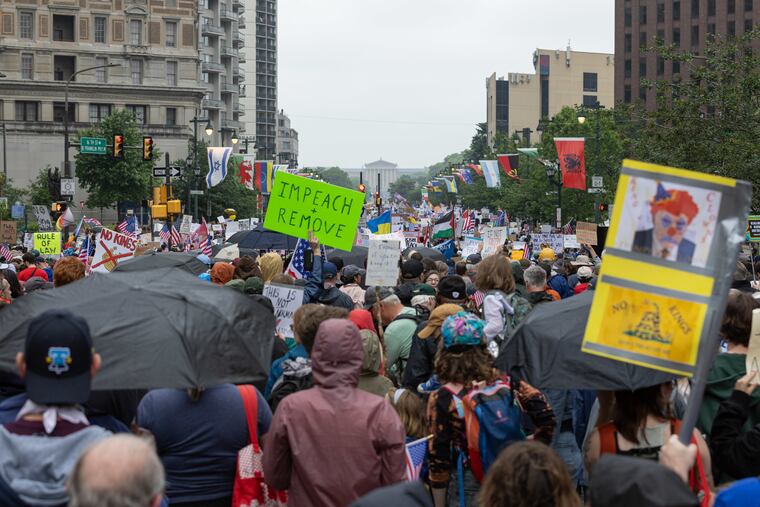
The Democratic Party boasts a structure that includes 66 ward leaders and approximately 1,700 subdivisions, each represented by two committee members. Despite this extensive network, there appears to be a lack of grassroots mobilization, particularly in the lead-up to significant demonstrations such as the recent “No Kings” rally. Local Democratic organizations have been conspicuously absent in spearheading coalitions aimed at advocating for the restoration of democratic practices, the protection of immigrant communities, and the denunciation of aggressive enforcement tactics that threaten elected officials who dare to dissent.
Critics are now asking why local Democratic organizations did not actively recruit community members for the rally or arrange delegations to march under representative banners. The party’s existing political framework, typically activated only during election periods, risks diminishing the party’s relevance and efficacy. If the Democrats fail to leverage their organizational capabilities to mobilize supporters during critical moments, they may further alienate voters and exacerbate declining voter turnout in upcoming elections.
In a related societal concern, the ongoing debates surrounding immunization highlight broader public health challenges faced by a generation that has not experienced the grave realities of diseases such as polio. Parents today, unfamiliar with the severe repercussions of preventable diseases, often express hesitancy toward vaccinations. This phenomenon may stem from a lack of awareness about the substantial strides made in public health, as vaccines have dramatically reduced the incidence of illnesses like whooping cough, measles, and chickenpox that once plagued children.
Reflecting on historical context, individuals recount how families rallied together to support vaccine developments in the past, recognizing the fear that once enveloped communities. This collective memory serves as a reminder of the importance of immunization in safeguarding public health and underscores the imperative for current generations to embrace vaccination as a vital preventive measure.
As discussions around party leadership and public health continue to evolve, the Democratic Party must reassess its approach to community engagement while society grapples with the implications of vaccine hesitancy in the face of historical public health crises.
Media News Source