Letters to the Editor Published on November 24, 2025
Unlawful Orders and Military Accountability
As discussions about military conduct and accountability resurface, the historical context of following orders emerges as a critical point of analysis. Following the My Lai Massacre during the Vietnam War, which resulted in the deaths of unarmed civilians, many military personnel faced distractions regarding the ethical implications of adhering to unlawful orders. These events highlight the continued relevance of moral responsibility amid orders that compromise human rights and constitutional obligations.
The principle of questioning and, if necessary, resisting unlawful orders is emphasized in military training. Such principles are not only grounded in moral considerations but are also mandated by military law. American service members are educated on the necessity of distinguishing between lawful and unlawful commands, and they are explicitly instructed that disobeying illegal directives is not just permissible but a critical duty. Officers, in particular, have a heightened responsibility to protect their subordinates from engaging in actions that violate military and constitutional law.
Recent incidents illustrate a troubling disregard for these fundamental tenets, with military and civilian leaders showing either ignorance or indifference towards the constitutional protections that govern military operations. The Uniform Code of Military Justice categorically prohibits orders that involve murder, torture, theft, oppression, or any act that undermines the constitutional framework. The relevance of these guidelines is essential, as violations can lead to prosecution and severe consequences for military personnel.
Moreover, loyalty within the military structure must be to the Constitution above all else. Any attempt by leaders to coerce adherence to illegal orders compromises the integrity of their oath and the very foundation of military ethics. Following legal orders is mandatory; however, loyalty should not translate into blind obedience to command.
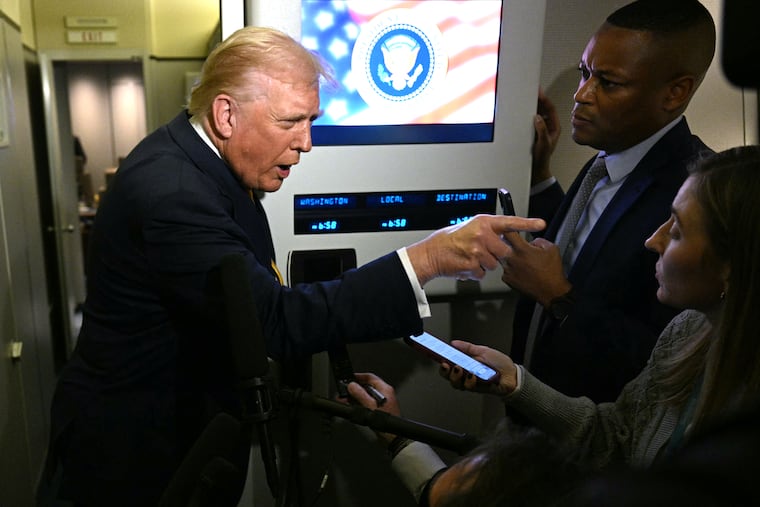
In parallel, the role of the press continues to evolve in the current sociopolitical environment. The accountability of journalists is paramount, as seen in recent interactions involving the President. Incidents of misogynistic remarks towards female journalists signal broader issues of respect and professionalism within media interactions. Silence or failure to address such behavior risks normalizing intimidation and undermining the press’s essential role in holding power accountable.
Moving forward, journalists must collectively support their peers, especially in the face of confrontational rhetoric. A unified front among the press is critical to maintaining the dignity of the profession and ensuring that proper standards of accountability and conduct persist. By reinforcing these values, the media can affirm its commitment to ethical reporting and uphold the expectations of the public.
Engagement in such discourse is vital for preserving the integrity of both military and journalistic domains, ensuring that legality, morality, and accountability remain at the forefront of American public life.
Media News Source