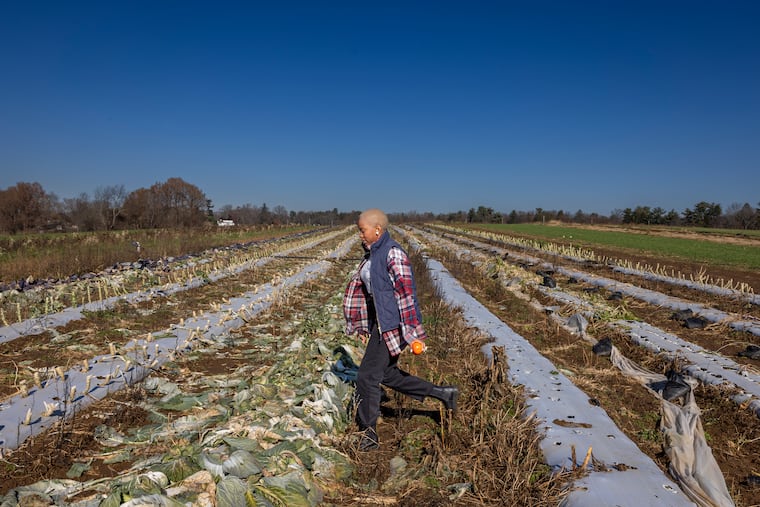
Local food production and distribution are essential for promoting health.
In September, a significant event unfolded as agricultural stakeholders gathered in Washington, D.C., for the National Farmers Union’s legislative convention. Over three days, participants engaged with 13 congressional legislators and their staff members, as well as representatives from the U.S. Department of Agriculture and the White House. The discussions centered on the pressing issue of instability within the nation’s food system, which has far-reaching implications for both farmers and consumers across the United States.
Food system organizations, including regenerative farms, gleaning networks, food access nonprofits, and community grocers, currently face considerable challenges due to a confluence of factors. Federal funding cuts, escalating tariffs, and a critical labor shortage have collectively strained the food supply chain. As a result, the repercussions for these organizations and the communities they serve are significant and compounding. A stark example of this disruption occurred during the recent government shutdown when families nationwide were unable to access Supplemental Nutrition Assistance Program (SNAP) benefits, underscoring the urgent need for immediate relief for both American farms and families.
Despite rising food prices, farmers receive a mere 16 cents from every dollar spent on food, according to the National Farmers Union. This discrepancy is exacerbated by a severe labor shortage rooted in outdated agricultural workforce policies, while substantial corporate farms continue to report record profits. Additionally, mental health challenges among farmers have reached alarming levels, with suicide rates among this demographic ranking as one of the highest across various occupations.
Recent policy decisions have had dire consequences for small and first-generation farmers. The previous administration’s cancellation of the Local Food Purchase Assistance Program, a billion initiative aimed at supporting local food purchases for schools and food banks, has left many farmers struggling. Direct losses, often amounting to hundreds of thousands of dollars, have severely impacted operations and the ability to pay workers, further jeopardizing food access in local communities.
As food insecurity disrupts broader social determinants of health—such as education, safety, and economic opportunity—it is vital to grasp the interconnectedness of these factors. Stress levels in high-risk neighborhoods, such as Kensington in North Philadelphia, emphasize the need for localized solutions to food access. As congressional discussions on the Farm Bill stall, attention must shift to community-driven approaches that bolster regional food systems. This can be achieved by supporting local farmers, minimizing food waste, and enhancing community ownership of food resources.
The future of food access relies heavily on fostering a robust network that prioritizes fresh, locally-sourced food while promoting the health and well-being of communities. Through initiatives like CornerJawn—a farm-to-corner store operation aiming to reframe local stores as preventative healthcare hubs—there is potential to enrich urban living and improve community health outcomes. Such endeavors embody the understanding that food is not merely a sustenance issue but a critical component of community health and prosperity.
Ultimately, investing in food systems that regard agriculture as integral to culture will pave the way towards a healthier nation and a more resilient food landscape.