Local Japanese American historians express concerns over Trump’s potential use of 1798 wartime law, warning it could lead to historical repetition.
In the early 1940s, Kay Ochi’s parents faced an agonizing reality that would alter their lives forever. At ages 21 and 22, they were forcibly removed from their San Diego hometown and sent to a detention facility in the arid landscape of Poston, Arizona, strictly due to their Japanese heritage. As a third-generation Japanese American and president of the Japanese American Historical Society of San Diego, Ochi recounts this painful chapter in history that saw over 120,000 individuals of Japanese descent, most of whom were U.S. citizens, incarcerated during World War II. This period, characterized by fear and loss of civil liberties, continues to resonate within the Japanese American community and serves as a stark reminder of the consequences of racial prejudice and governmental overreach.
The incarceration of Japanese Americans has been meticulously documented through various museums and archives across the nation, illustrating the injustices faced by this community. Presently, civil rights activists and historians observe alarming parallels between this historical episode and current political maneuvers, particularly under the Trump administration, which has invoked the 1798 Alien Enemies Act. This legislation allows the president to detain or deport any individuals deemed a threat to national security, a power exercised only three times prior in U.S. history. Critics express concern that the act is being leveraged to target immigrants, notably Venezuelans, without due process, reflecting a disturbing trend reminiscent of past civil rights violations.
Last week, the Supreme Court ruled to uphold the administration’s use of the Alien Enemies Act, allowing the ongoing deportation of individuals without charges, although it mandated that detainees be given an opportunity to contest their deportations legally. Civil rights advocates highlight the inherent dangers in this approach, warning that it could perpetuate systemic injustices in the name of national security. Individuals like Michael Kurima, co-president of the San Diego chapter of the Japanese American Citizens League, draw attention to the historical impact of such actions, noting that two-thirds of those previously incarcerated under similar circumstances were U.S. citizens.
The legacy of the Alien Enemies Act continues to evoke discomfort and concern among those who remember the impacts of its previous applications. In the wake of the Japanese American incarceration during World War II, many individuals and families struggled for years to rebuild their lives, often discovering that the scars of forced removal extended beyond physical dislocation. San Diego’s Japanese American community, once vibrant and integral to the region, faced an uphill battle for recovery amid long-standing trauma, compounded by societal pressure to assimilate and abandon cultural identities.
Artists and historians alike are making efforts to address these profound issues through various platforms, including installations designed to inspire dialogue about past injustices and their relevance to contemporary society. An art installation recently launched by local immigrant and refugee artists at the San Diego Central Library parallels the experiences of Japanese Americans during World War II with the challenges faced by immigrants today. The artists advocate for the importance of education and historical acknowledgment to prevent the repetition of such civil rights violations.
As society reflects on the ramifications of the Alien Enemies Act and its implications for modern immigration policy, the need for vigilance against racial prejudice and the protection of civil liberties becomes increasingly critical. Addressing these historical injustices is not merely an act of remembrance; it is a necessary step toward ensuring a more equitable and just society for all. The art installation at the library will remain on view until June, serving as a poignant reminder of the battles fought for civil rights and the community’s ongoing resilience in the face of adversity.
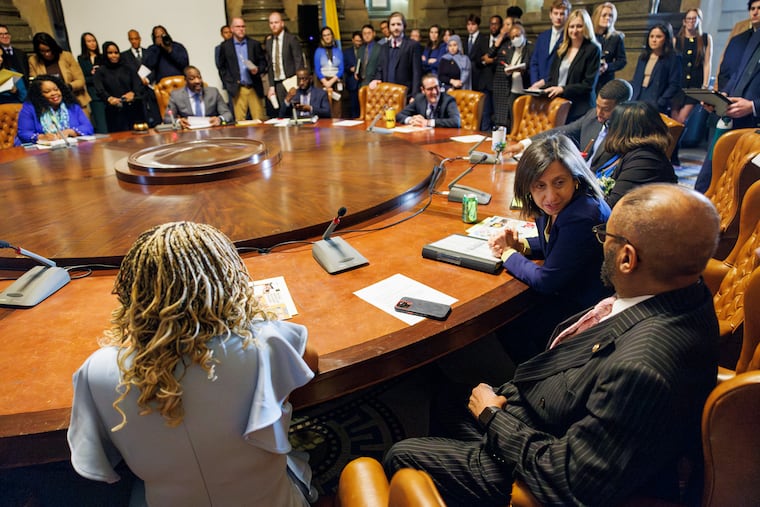
In recent years, city leaders in San Diego have taken strides toward reconciliation, formally apologizing for their historical support of Japanese American incarceration. The San Diego City Council’s decision to revoke a resolution endorsing the removal of Japanese Americans during World War II marks a significant acknowledgment of past wrongs, aiming to foster a deeper understanding of racism and injustice. As efforts to preserve history and promote dialogue continue, both the local community and national discourse are reminded of the lessons imparted by this challenging chapter in American history.
Media News Source