
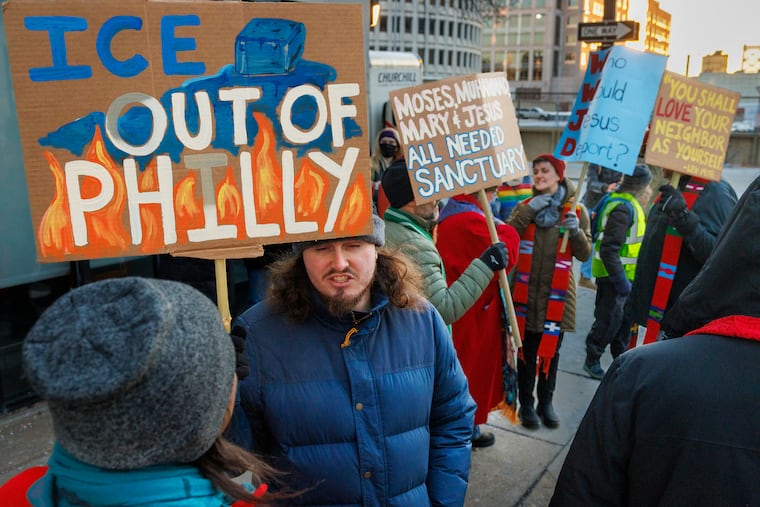
Local leaders highlight immigrants as a key contributor to Philadelphia’s economy.
Foreign nationals in the United States are facing significant hurdles in their pursuit of work and study opportunities, raising concerns among Philadelphia business leaders about the potential negative implications for the city’s economy. During a recent panel discussion organized by the Economy League of Greater Philadelphia and supported by the immigration reform organization Media News Source, local officials emphasized that immigrants are pivotal to Philadelphia’s economic growth.
Alain Joinville of the city’s Office of Immigrant Affairs highlighted that immigrants are not merely a supplementary element of the workforce; they are fundamental drivers of economic vitality. The foreign-born population has shown remarkable growth, particularly between 2010 and 2022, when the immigrant workforce surged by 50%, increasing from approximately 105,600 to 158,300 individuals, according to data from the Pew Charitable Trusts. By 2022, immigrants made up around 15.7% of Philadelphia’s total population.
However, recent federal policies under the Trump administration have begun to shape a different narrative. The administration’s push for one of the largest deportation efforts in U.S. history, alongside the proposal to impose a 0,000 fee on employers for H-1B visas, has created a climate of uncertainty. This shift has resulted in increased detentions of immigrants by Immigration and Customs Enforcement (ICE) in the region, further complicating employment scenarios.
Elizabeth Jones from the Welcoming Center expressed concern that such policies could disrupt families, thereby affecting sectors critical to Philadelphia’s economy, including manufacturing and transportation. Jones articulated that the ramifications of these policies could have wide-ranging implications that extend beyond individual lives to affect the local economy significantly.
Amy Gadsden from the University of Pennsylvania emphasized the risks to the nation’s research prowess, explaining that the strength of U.S. research universities relies heavily on attracting top international talent. The University itself benefits enormously from its international student body, with approximately 11,000 foreign nationals contributing to both academic output and local economic activity.
Declines in international student enrollment nationwide point to broader challenges as potential students from around the world become more discerning about their choices, often applying to alternatives outside the U.S. The increase in barriers, particularly in visa processing and employment opportunities, could jeopardize Philadelphia’s standing in the higher education landscape.
Jennifer Rodriguez, president of the Greater Philadelphia Hispanic Chamber of Commerce, highlighted the implications of new visa fees on local employers. She described the additional 0,000 cost as unsustainable for mid-sized firms, emphasizing that such financial burdens could stifle innovation and hiring. Given that many of these firms are crucial to the city’s economic development, the potential for an impediment in their growth due to restrictive immigration policies is alarming.
Local leaders underscore that immigrants represent a vibrant demographic, contributing not only through labor but also as cultural and community leaders. Without their contributions, the region risks a diminished workforce capable of supporting local businesses and fostering economic prosperity. As discussions around immigration policy continue, the future of Philadelphia’s economy hinges on recognizing and valuing the essential role that foreign nationals play in shaping its success.


