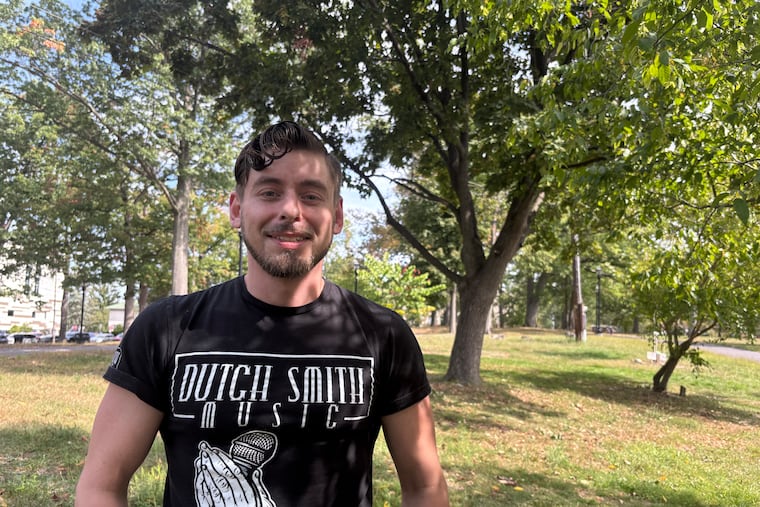
Local man gains viral attention after Dunkin’ closure, expresses desire to move beyond the situation.
In a town where nostalgia intertwines with hardship, the story of Dutch Smith and the Dunkin’ Donuts in Shamokin, Northumberland County, encapsulates a unique moment in local culture and personal redemption. In 2016, a devastating fire closed the beloved donut shop, prompting a poignant news segment by WNEP-16. The clip featured Smith and fellow patrons expressing their dismay over the loss of a community staple, emphasizing its significance as a source of affordable coffee and a social gathering space.
The clip quickly gained traction online, drawing snippets of humor from viewers while highlighting the deep emotional connections that small-town residents often form with local businesses. Comedian Theo Von and others have resurrected the footage over the years, presenting it in a light-hearted context but also exposing the stark realities of life in a post-industrial town.
Smith, a forklift operator, has reflected on his past in Shamokin, discussing his struggles with substance abuse and mental health issues that marked his earlier years. The loss of the Dunkin’ Donuts backdrop has followed him, as he seeks to redefine his identity beyond that short-lived viral fame. Expressing his desire not to be remembered solely as a meme, he acknowledges that the 2016 news clip captures a challenging time in his life, filled with personal turmoil that he has since overcome through spirituality and music.
Following his stint in jail related to an unrelated incident, Smith experienced a transformative spiritual awakening that shifted the direction of his musical career. Today, he identifies as a “faith-based multi-genre” artist, intent on reaching those who grapple with their own demons. This newfound purpose is reflected in his latest work, targeting audiences seeking hope and understanding rather than the irreverent themes of his earlier “joke rap.”
Shamokin itself has been emblematic of the struggles faced by many small towns, witnessing a dramatic population decline of over 67% in the past century and earning a designation as a city in financial distress. Although the Dunkin’ Donuts has since reopened, its closure underscored a larger narrative about the economic viability of such establishments in declining areas. The community, long overshadowed by its industrial past, is exploring new avenues for revitalization, including tourism initiatives.
Smith’s story serves as a reminder of the resilience of both individuals and communities. As Shamokin ushers in new developments, the relationship between its residents and the familiar comforts of chain establishments reflects a yearning for connection in a rapidly changing world.