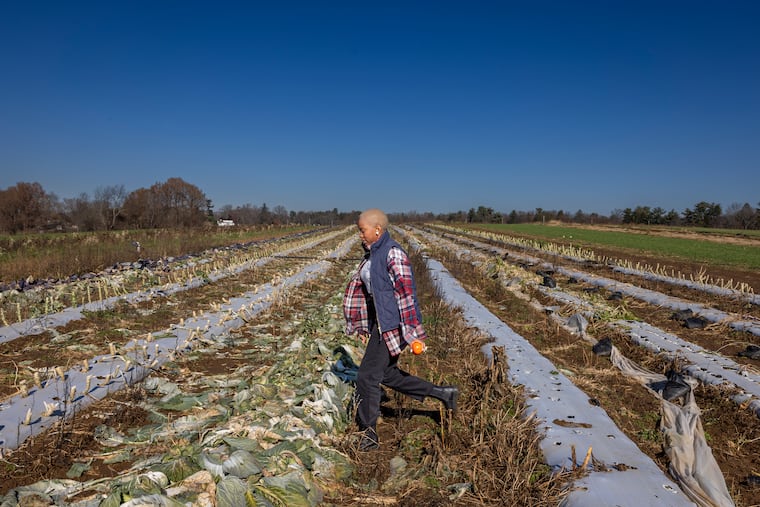
Localizing food production and distribution is essential for improving community health.
In September, a significant event unfolded when members of the agricultural sector gathered in Washington, D.C. for the National Farmers Union’s legislative convention. Over three days, participants engaged in discussions with 13 congressional legislators and representatives from the U.S. Department of Agriculture and the White House, focusing on critical issues surrounding the stability of the nation’s food system.
Current challenges confronting food system organizations across the United States are alarming. Regenerative farms, gleaning networks, food access nonprofits, and local grocers are all under escalating strain due to reduced federal funding, rising tariffs, and persistent labor shortages. These pressures contribute to a precarious food supply chain, adversely impacting both farmers and consumers alike.
Amid a recent government shutdown, families nationwide faced delays in receiving Supplemental Nutrition Assistance Program (SNAP) benefits, highlighting the urgent need for relief. While food prices continue to escalate, farmers reportedly receive less than 16 cents on every dollar spent on food, according to statistics from the National Farmers Union. Compounding this issue, the agricultural sector is experiencing a severe labor shortage attributed to outdated workforce policies. In stark contrast, large corporate farms are reporting record profits, further exacerbating inequality within the industry.
Mental health crises among farmers are also rising, with suicide rates in this demographic reaching alarming levels. As a leading African American farmer in Pennsylvania, firsthand experience with these challenges underscores the critical state of the agricultural community. The cancellation of significant federal programs earlier this year, including a billion Local Food Purchase Assistance Program that provided crucial funding to schools and food banks, has had severe repercussions for local farmers. Estimates suggest losses exceeding 0,000 for some, impacting their ability to compete while ensuring access to naturally grown, healthy food within their communities.
Addressing food access through revitalized, localized strategies is essential for national security. Recent conversations with lawmakers revealed that an updated Farm Bill was not passed by its September deadline, exacerbating the plight of small family farmers. The focus must now shift toward building community-driven food systems that promote fair markets and reduce waste while empowering local ownership.
In a landscape of growing food instability, initiatives like CornerJawn aim to transform corner stores into hubs for preventive healthcare, improving access to affordable, nutrient-dense food. By treating food as medicine, communities can strive for lasting health benefits and economic resilience. The need for a renewed approach to agriculture is urgent; fostering a culture of food sustainability can ultimately lead to enhanced community well-being and prosperity.
Media News Source reports that, as individuals and communities engage in these initiatives, the potential for a healthier population—rooted in equitable food access and regenerative practices—can be realized.