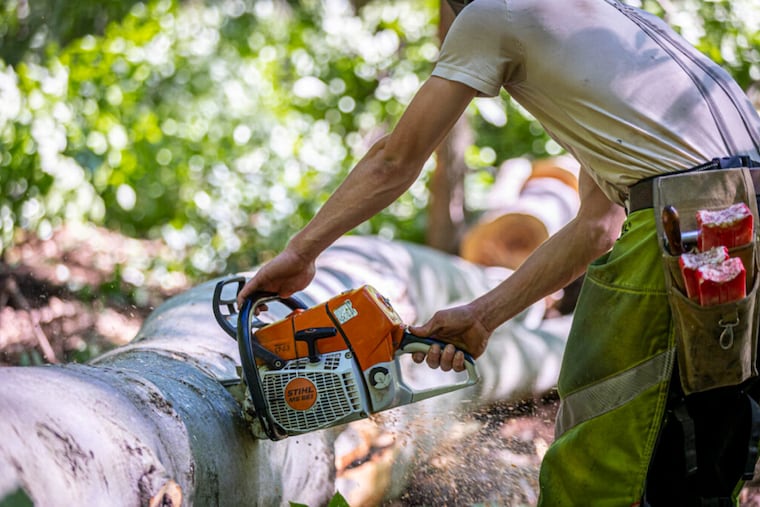
Loggers in Pennsylvania seek federal assistance to avoid potential mass layoffs.
In Pennsylvania, a state historically rich in timber resources, the local lumber industry is facing significant challenges as it navigates the intricacies of modern trade policies and economic fluctuations. As the state’s sawmills strive to adapt, many are expressing concerns over the long-term impacts of tariffs imposed by the federal government. In response to these economic pressures, a coalition of approximately 48 Pennsylvania lumber businesses has joined over 400 others nationwide in requesting financial assistance from the federal government.
The request for aid follows a worrying trend in the hardwood market, where U.S. exports have significantly declined. Notably, hardwood lumber sales plummeted by 20%, falling to around .7 billion from 2022 to 2024. Concurrently, log sales decreased by 11% to approximately .8 billion, resulting in an overall shrinkage of employment in the sector by about 10%. As sawmills continue to close, the implications for the skilled workforce in the industry become increasingly severe.
In particular, Pennsylvania’s remaining mills are now experiencing the consequences of tariffs that have been implemented during recent years. These tariffs, aimed at protecting domestic industries, inadvertently inflate operational costs and stifle demand, particularly in export markets. Lumber companies assert that these economic conditions require urgent intervention and support to stabilize the industry. Many companies in the coalition are family-owned enterprises that have served their communities for generations, and they emphasize the importance of inclusion in relief efforts alongside other agricultural sectors.
The U.S. hardwood market, although still a leading global player, has lost considerable market share in China, which has seen a marked shift in sourcing timber from alternative regions, including Russia and Southeast Asia. This shift not only threatens the local hardwood industry but also mirrors the downturn previously experienced in the American furniture sector. Concerns are exacerbated by the struggle to compete with lower labor costs abroad, notably in countries like Vietnam, where American timber is milled and sold back into the U.S. market.
Industry leaders argue that further tariff losses will compound the existing challenges, jeopardizing both skilled jobs and the stability of the workforce. As they look to balance the need for protective measures against the reality of current economic consequences, industry advocates are calling for a reassessment of the tariffs and government support mechanisms.
With continued uncertainties in the market, the future of Pennsylvania’s lumber industry remains precarious. As local businesses await a response to their appeal for relief, the broader implications of these economic shifts will likely influence the timber sector for years to come.