Madagascar’s president plans national address amid calls for renewed protests by citizens.
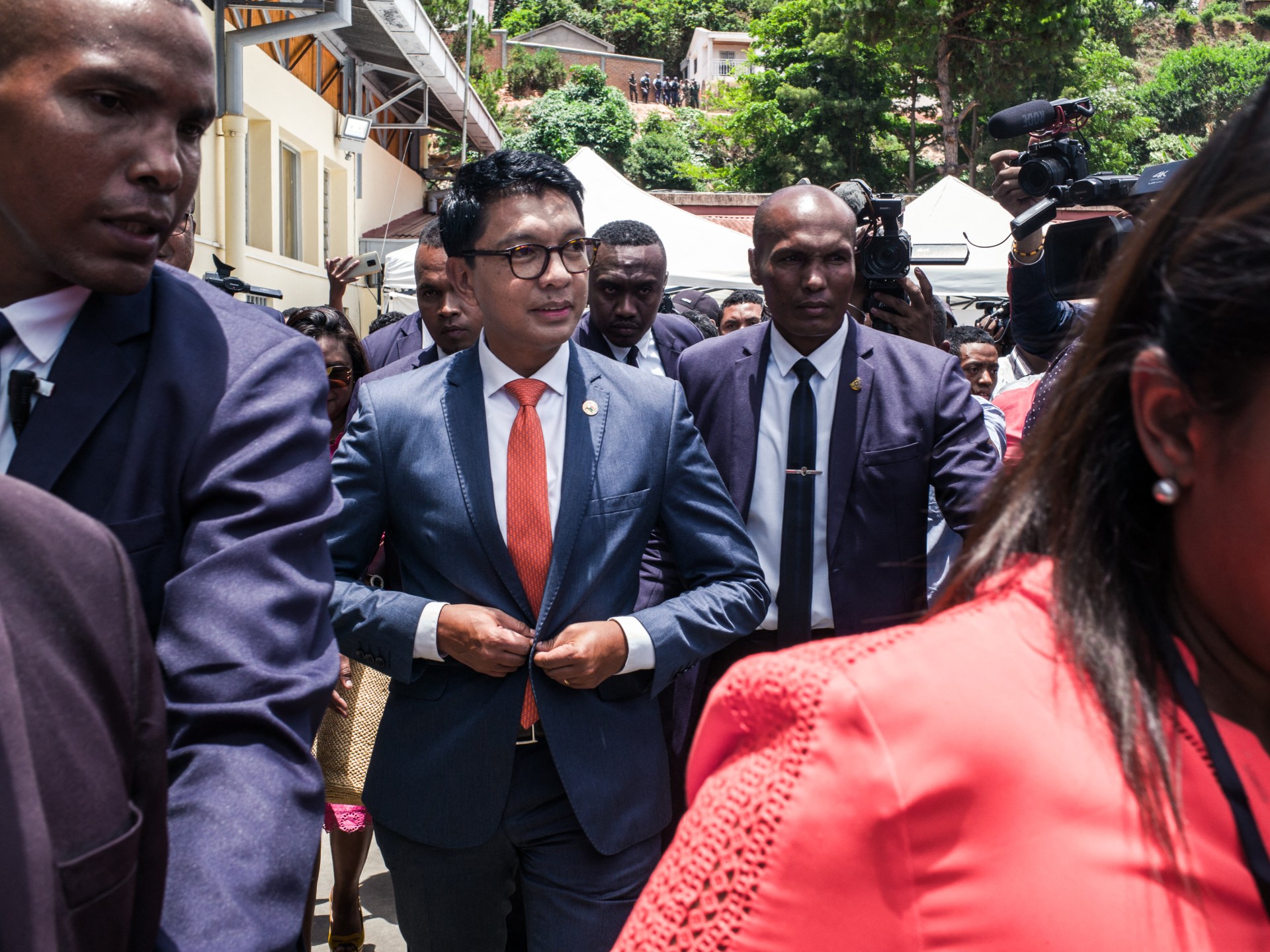
Madagascar’s President Andry Rajoelina is set to address the nation amid escalating calls for his resignation due to ongoing protests, mounting pressure from the military, and a significant shift in the political landscape. The presidency confirmed that Rajoelina will deliver a televised address today at 7 PM local time (16:00 GMT). This comes as protesters mobilize once again in the capital, Antananarivo, further intensifying the already tense situation.
In recent weeks, student-led demonstrations have surged, reflecting the public’s frustration over pressing issues such as chronic electricity and water shortages. The situation took a dramatic turn over the weekend when an elite military unit known as CAPSAT publicly aligned itself with the protesters demanding Rajoelina’s resignation. This unprecedented support from military ranks signifies a noteworthy reconfiguration of power dynamics within the country.
Following the military’s endorsement of the protests, Rajoelina described the developments as a coup, particularly alarming as CAPSAT appointed a new military chief in a ceremony attended by the armed forces minister, who applauded the change. It remains unclear where Rajoelina currently is, although authorities claim he is in Madagascar and actively managing national matters. Conversely, rumors of his potential departure have fueled celebrations among protesters who have taken to the streets, with many students energetically waving flags from military vehicles.
The protest movement, led by a coalition of students identified as Gen Z, has announced further demonstrations intent on amplifying their demands for change. This upheaval has roots tracing back to long-standing grievances regarding essential services, bringing together a diverse coalition echoing the aspirations for reform seen in recent global youth movements.
The military’s involvement marks a notable moment in Madagascar’s tumultuous political history, characterized by several interventions since the nation’s independence in 1960. The impact of the protests has been significant, with reports indicating at least 22 fatalities and over 100 injuries since they commenced. While the government contests these figures, one CAPSAT soldier reportedly lost his life amid the clashes with the gendarmerie on Saturday.
The unfolding events in Madagascar illustrate the deep-seated frustrations in one of the world’s economically challenged nations, where approximately one-third of the population has access to electricity, and blackouts can extend beyond eight hours daily. The Gen Z Madagascar movement draws inspiration from similar youth-led uprisings across countries such as Kenya, Indonesia, and Peru, demonstrating the power of collective action to challenge political norms.
As Rajoelina prepares to address the nation, it remains to be seen whether his words can quell the unrest or if the momentum of this potent movement will continue to shape Madagascar’s political future. The international community watches closely, recognizing that the outcome will have significant implications not just for Madagascar, but for broader regional stability as well.
#PoliticsNews #AfricaNews