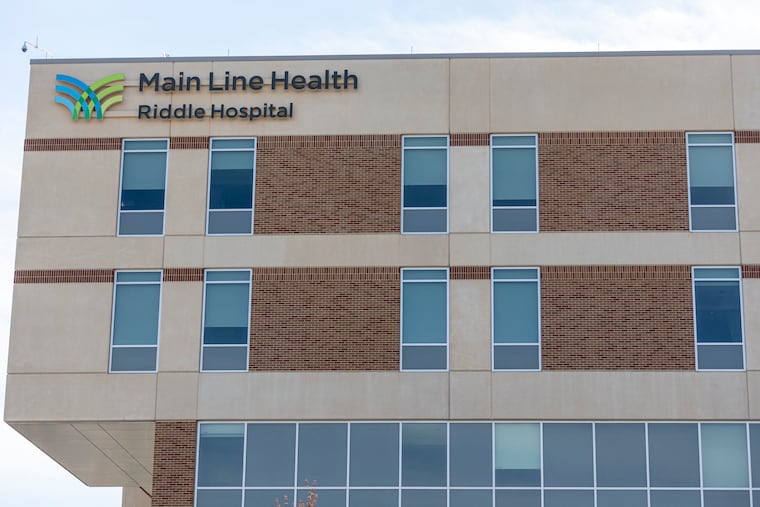
Main Line Health announces .7 million operating profit for the first half of fiscal year 2026.
Main Line Health has reported a significant turnaround in its financial performance, culminating in an operating profit of .7 million for the six months ending December 31. This marks a substantial recovery from an operating loss of .9 million during the same period in 2024, as disclosed in a report to bond investors.
The health system’s improved financial results can be attributed in part to changes in accounting practices related to depreciation, which allowed Main Line to significantly lower its reported expenses. This strategic adjustment suggests that, without the accounting change, the health system might have sustained another financial loss.
Chief Financial Officer Leigh Ehrlich expressed satisfaction with the organization’s ongoing fiscal improvements, highlighting that the positive trend has been consistent year over year, even before accounting alterations are considered.
In more detail, Main Line Health reported a 10.5% increase in patient revenue, amounting to .35 billion in the first half of fiscal 2026, up from .22 billion a year prior. This growth was fueled by robust increases in hospital discharges, emergency department visits, and same-day surgical procedures. Notably, Riddle Hospital, located near Media, experienced a remarkable 36% uptick in patient numbers following the closure of Crozer Health’s hospitals last spring. This influx has been pivotal in contributing to Main Line’s revenue growth, as stated by Ehrlich.
On the expenditure side, Main Line Health revised its accounting methods for investments in facilities and equipment last year, which resulted in a notable decrease in depreciation and amortization costs. For the first two quarters of fiscal 2026, these costs were reported at .8 million, down from .5 million the previous year. After excluding these expenses from both fiscal periods, the operating profit margin slightly decreased, from 5.9% to 5.5%.
Furthermore, Main Line Health has provided comprehensive details regarding its patients’ health insurance coverage. After a comparatively short two-year presence in Southeastern Pennsylvania, Highmark, a major insurance provider based in Pittsburgh, now represents 12.5% of Main Line’s business. This figure is only slightly lower than that of Aetna, which has been active in the market for several decades.
As these developments unfold, the financial trajectory of Main Line Health will be closely monitored by stakeholders and industry analysts alike, reflecting broader trends in the healthcare sector amid ongoing changes in patient care dynamics and market competition.
Source: Media News Source