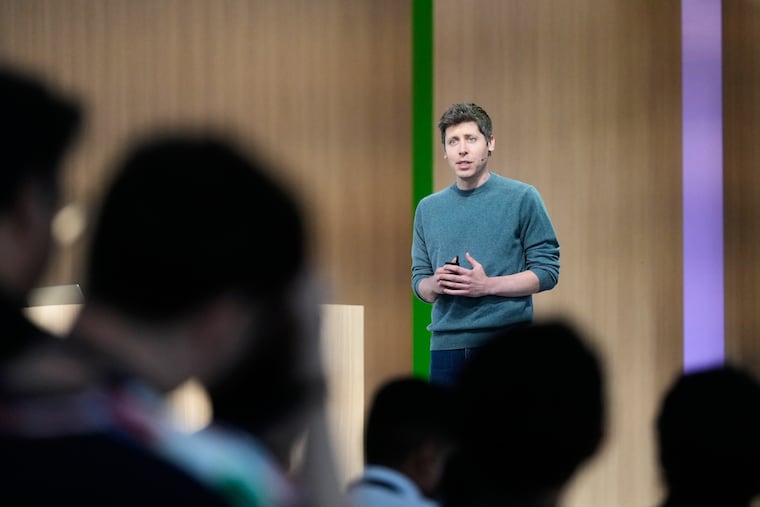
Major wealth redistribution initiative launched with the goal of transforming global economies and addressing inequality.
In a pivotal moment for the technology sector, AI companies like OpenAI and Anthropic are making significant financial commitments toward philanthropic initiatives aimed at addressing the societal challenges associated with artificial intelligence. As these firms reap substantial profits, they acknowledge the potential disruptions their technologies may cause, including job displacement and national security issues. In response, they are setting aside considerable funds to mitigate these impacts through charitable projects.
Anthropic, known for its chatbot Claude, recently announced plans to allocate 5% of the company’s equity to a newly established fund dedicated to public welfare. The fund is designed to combat the destabilizing effects of AI on employment, with pledges to provide support to affected communities. Analysts predict that, should Anthropic reach a valuation of trillion upon its public offering, the fund could be endowed with 0 billion. Additionally, the company’s founders have committed to donating 80% of their personal wealth to various philanthropic causes.
In parallel, SpaceX founder Elon Musk has declared his intention to distribute shares of his company to American children, a move that could total upwards of billion based on current market valuations. This ambitious plan was announced shortly after Anthropic’s commitment, embedding itself within a broader trend among tech leaders to leverage their fortunes for public good.
Collectively, when factoring in OpenAI’s philanthropic foundation—which is estimated to hold approximately 25% of the company—the combined philanthropic capital from these organizations may reach nearly 0 billion. This amount surpasses the funds held by established charitable institutions such as the Gates Foundation, underscoring the significant influence these tech entities could exert beyond their commercial interests. Historical precedent shows that major donations from billionaires have catalyzed substantial shifts in global health and climate policies; thus, the potential impact of these AI-driven contributions is noteworthy.
While the philanthropic pledges are substantial, there is skepticism about their effectiveness. Critics argue that such initiatives may merely serve as public relations maneuvers aimed at countering growing backlash against AI technology. Surveys reflect a pervasive concern among the public, with many Americans apprehensive about the ability of AI to create jobs and improve societal conditions.
Experts assert that while philanthropic efforts are commendable, they may not sufficiently address the deeper economic and identity-related implications driven by AI innovations. For many individuals, the transition into an AI-driven economy poses challenges beyond financial instability, including existential questions related to personal identity and job fulfillment.
As these AI companies move forward with their philanthropic aspirations, the focus will likely remain not only on the magnitude of their donations but also on their strategic implementation to effectively address the real-world challenges posed by artificial intelligence. With both opportunity and responsibility at stake, the coming years will reveal whether these firms can harmoniously align their financial success with substantive societal impact.