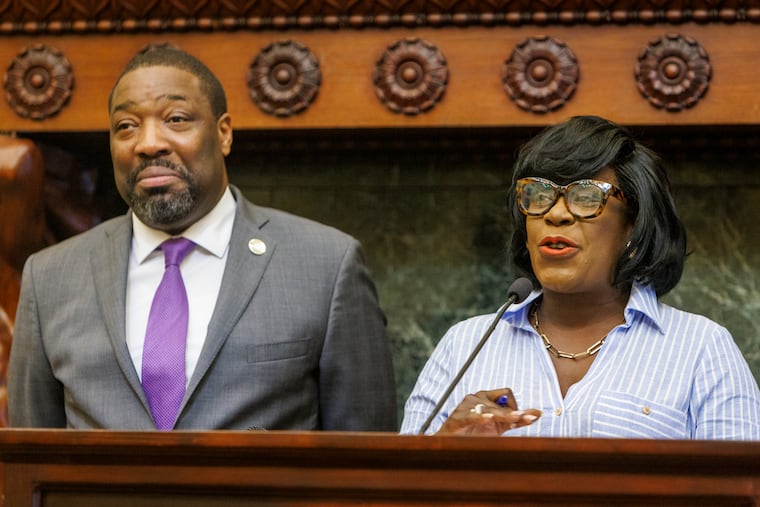
Mamdani advocates for savings measures in the city budget to improve financial efficiency.
In the face of looming fiscal challenges, New York City Mayor Mamdani has initiated his first significant cost-cutting endeavor, a move aimed at addressing an anticipated budget deficit projected to reach approximately .4 billion in the fiscal year 2027. With just seven months in office, Mamdani has mandated that city agencies identify reductions of 2.5% in their budgets over the next two fiscal years, a step that aims to stabilize the city’s financial outlook.
The Program to Eliminate the Gap (PEG) cuts, despite the mayor’s apparent reluctance to fully embrace the historical implications of the initiative, mark a critical effort to maintain fiscal responsibility. The efficacy of this program will largely hinge on the methodology employed in identifying where budget cuts can be made without sacrificing essential services that affect the lives of over 8 million residents.
Effective management in large bureaucracies necessitates a balance between oversight and collaboration. Poor management often leads to sweeping cuts dictated by assumptions about efficiency, risking the quality of vital services. In contrast, sound management practices involve engaging with agency employees who possess valuable insights into operational efficiencies. By empowering individual agency workers to propose where reductions can be made with minimal impact on service delivery, Mamdani is embracing a collaborative approach that has historically eluded many mayors.
The mayor has introduced chief savings officers within city agencies to oversee and evaluate these proposed savings. This role, established in light of the budgetary challenges, aims to drive efficiencies and has already contributed to stabilizing the city’s finances through responsive fiscal adjustments and heightened state assistance. However, the challenge remains in the actual implementation of cuts. Employees may resist reductions that affect their departments, leading to difficult discussions regarding budget priorities.
Transparency will be crucial as Mamdani navigates this process. While the mayor has committed to being open about the criteria and decisions surrounding budget reductions, reports have yet to be made publicly accessible. This lack of transparency raises concerns, particularly when Freedom of Information Law requests for the relevant data have been denied. A commitment to transparency is essential, as it promotes accountability and builds public trust.
In the long run, the mayor’s administration will need to uphold its promise of openness while executing these necessary budget cuts. Future policy decisions will benefit from public scrutiny, which helps ensure that plans are not only efficient but also equitable. By embracing transparency, Mamdani can foster a governance style that reassures New Yorkers their interests are being considered in the city’s fiscal strategies.
As history has shown, the promises of transparency made by elected officials seldom materialize into substantial practice. Nevertheless, shedding light on decision-making processes is critical not only for accountability but for the cultivation of an informed public dialogue about the direction of the city’s fiscal policies. Implementing budget cuts thoughtfully while clearly communicating those decisions can ultimately provide a blueprint for responsible governance amid challenging times.
Media News Source