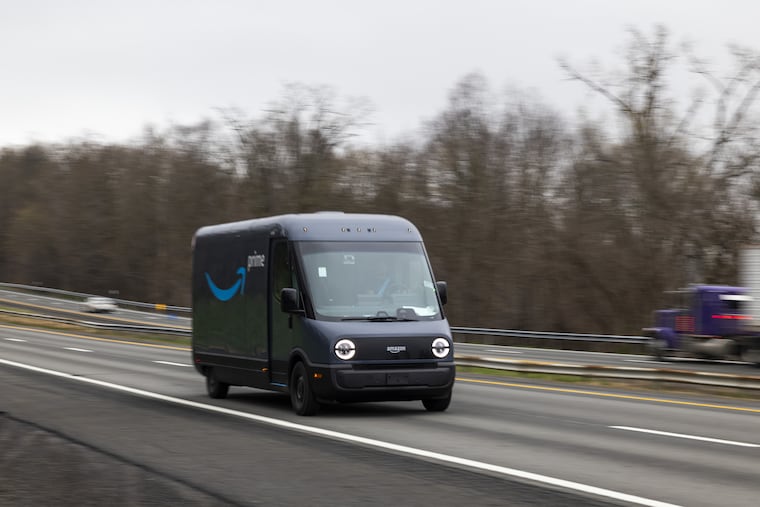
Many Amazon delivery contractors are exiting the business due to increasing costs and low profit margins.
In 2022, Jake Clay, an Air Force veteran, launched an Amazon delivery service in Odessa, Texas, after learning of the opportunity from a friend. With an initial investment of ,000, he reported earning over 0,000 in the first year, feeling as though he had joined an elite squad of entrepreneurs. However, that initial success quickly dissipated as rising operational costs began to erode his profits significantly.
Clay encountered numerous challenges, including severe worker compensations claims following a dog bite that incapacitated one of his drivers for an entire year. Simultaneously, his annual vehicle insurance costs skyrocketed to nearly 0,000, a fivefold increase that pushed him to consider drastic measures, such as eliminating his management team and operating the business himself. Ultimately, Clay decided to exit the program, stating that the returns did not justify the effort, leading to his resignation last month.
This sentiment is echoed by several others involved in Amazon’s Delivery Service Partner (DSP) program, which has come under scrutiny since its inception in 2018. Initially designed to empower aspiring entrepreneurs by facilitating access to vehicles and resources, the program has increasingly faced criticism. Participants once perceived a favorable future during the e-commerce surge of the pandemic; however, many now cite dwindling profits due to escalating expenses tied to insurance and maintenance as Amazon tightens performance metrics that affect revenue potential.
Recently, in response to operator concerns, Amazon announced a marginal 20% increase in compensation for package deliveries; however, many operators believe this adjustment is insufficient and comes too late. The timing of the adjustment, which will take effect in January, has led some to speculate that it is a tactic to retain talent through the holiday season, when Amazon’s delivery demands are typically highest.
Participants in the DSP program have grown increasingly frustrated with rising costs, which they argue are exacerbated by Amazon’s tightening delivery standards and ambitious performance metrics monitored via artificial intelligence. This has resulted in heightened pressure on delivery contractors, significantly in a climate of rising inflation.
Discontent among delivery partners has risen to such levels that a number have exited the program entirely, citing unsustainable financial pressures. While some contractors report continuing success, nearly 23% of those interviewed have indicated they are either contemplating or have already left the program.
Despite the challenges facing several DSP operators, Amazon maintains that approximately 80% of its partners generate annual profits above 0,000, arguing that the average tenure of businesses in the program has increased. The company has invested approximately .7 billion into the DSP initiative, which now encompasses over 4,400 firms primarily located in the United States.
As these dynamics unfold, some business owners are seeking alternative avenues to mitigate vulnerability. One contractor diversified by investing in a plumbing franchise, empowering employees to gain new skills and career development opportunities, illustrating a trend of adaptation among delivery partners amid rising operational costs and shifting industry landscapes.
The challenges facing Amazon delivery partners spark larger questions about the sustainability of gig economy models in an inflationary environment and their dependence on foundational corporate partnerships. As many grapple with their futures, others, like Shannon Joseph, a former driver who now manages her own delivery service, maintain their optimism in outpacing competitors. With her experience and workforce, she aims to thrive in a challenging landscape, demonstrating the resilience and entrepreneurial spirit that many within this sector strive to uphold.
In this intricate landscape, the road ahead remains uncertain for many delivery partners navigating their contractual obligations and the stark realities of rising costs that challenge profitability in an evolving e-commerce ecosystem.