Mayor Cherelle Parker’s budget plan proposes fees on Uber and Amazon, adds 1,000 homeless shelter beds, and allocates 0 million for addiction recovery.
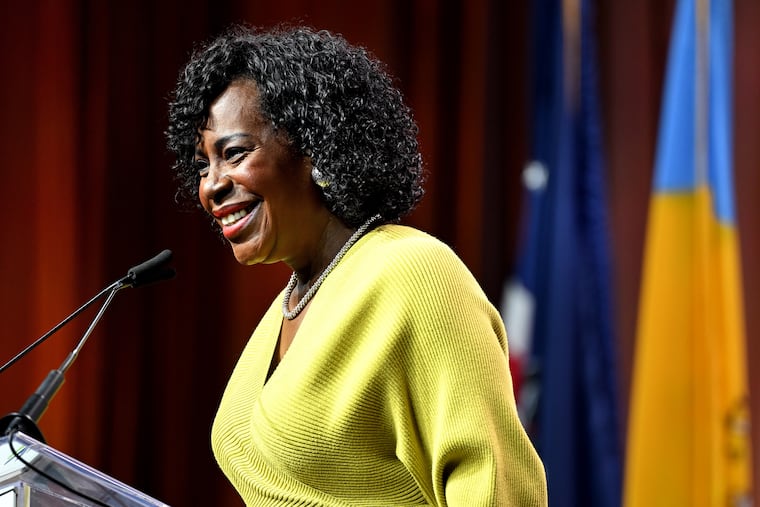
In a significant move to address multiple city challenges, Philadelphia Mayor Cherelle L. Parker is set to unveil a proposed budget of approximately billion for the upcoming fiscal year during her annual address to City Council. The budget plan, to be presented on Thursday morning, aims to introduce new fees for rideshare and retail delivery services, an increase in the hotel tax to enhance the availability of homeless shelter space, and a substantial investment in addiction recovery facilities totaling 0 million over the next five years.
The forthcoming budget period marks the first since the expiration of federal support from the American Rescue Plan Act, which provided the city with .4 billion aimed at replenishing revenues impacted by the COVID-19 pandemic. Mayor Parker’s budget proposal is expected to navigate funding challenges while seeking to expand social services in areas such as homelessness and addiction recovery.
As part of her initiative, Parker proposes a 20-cent per ride fee on rideshare services such as Uber and Lyft, which is projected to contribute more than million annually to the School District of Philadelphia. Furthermore, the budget plans to impose a 25-cent fee on retail delivery services, excluding essentials like food and medical supplies, with anticipated revenues of around million directed toward the city’s Transportation Fund.
In a bold effort to combat rising homelessness, Parker intends to increase the hotel tax from 15.5% to 17.5% to facilitate the addition of 1,000 shelter beds, representing over a 30% increase in the city’s existing capacity. This tax increase is anticipated to generate an extra million each year, significantly bolstering the city’s Office of Homeless Services.
Significantly, the budget allocates million to preserve the SEPTA Zero Fare program, allowing free transit for low-income residents, and continues the Key Advantage program for city employees. The mayor’s focus on addiction recovery is exemplified by the proposed investment in the Riverview Wellness Village, a facility that has already begun to address the opioid crisis in the city.
Parker’s budget strategy does not propose major changes to existing taxes, such as wage, property, and business taxes; however, it suggests that property tax bills could rise due to a city-wide reassessment initiative. The proposed plan is expected to undergo extensive discussions and amendments over the coming months, with City Council aiming for approval by June 11, ahead of the fiscal year’s commencement on July 1.
This comprehensive budget proposal reflects Mayor Parker’s priorities in addressing pressing social issues while managing municipal finances in a post-pandemic landscape. The following months will reveal the extent of collaboration and negotiation required to turn these initiatives into actionable policy.
Philadelphia continues to grapple with economic pressures, but there is cautious optimism regarding the city’s fiscal resilience as it pursues these essential community goals.