
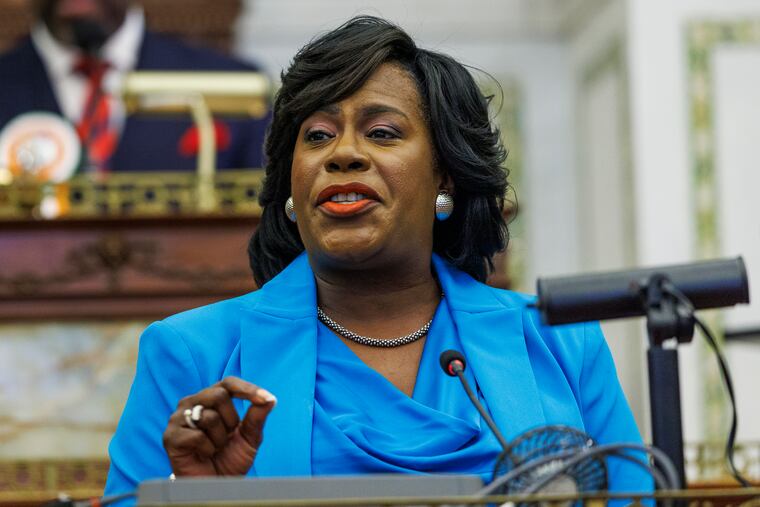
Mayor Cherelle Parker’s long-term budget plans approved amid concerns over potential federal funding cuts.
Philadelphia’s financial plan for the coming years received formal approval from the Pennsylvania Intergovernmental Cooperation Authority (PICA) on Monday, despite concerns regarding the city’s growing dependence on debt financing. The board’s endorsement represents a critical step in Philadelphia’s annual budgeting process, allowing the city to continue receiving approximately billion in state-controlled funds. The vote was unanimous, with four members in favor and one absence.
The approval comes after Mayor Cherelle L. Parker introduced her taxing and spending proposals earlier this year, initiating an extensive evaluation by city council members. Following a series of amendments, the City Council largely endorsed Parker’s fiscal strategy for the new fiscal year beginning July 1. PICA’s chair, Kevin Vaughan, noted that the financial plan reflects the city’s commitment to fiscal stability amidst ongoing economic challenges.
PICA’s review identified risks that could potentially derail the plan, including the impact of President Donald Trump’s proposed reductions to federal funding for cities. Board members expressed apprehensions about how shifts in federal policy might affect Philadelphia’s budget, emphasizing the need for discipline and preemptive planning in the face of economic uncertainty.
Throughout the budgeting process, city officials were urged to enhance transparency concerning spending projections for critical initiatives. Specifically, concerns were raised regarding Parker’s mental health and substance abuse programs and the Housing Opportunities Made Easy (H.O.M.E.) initiative, for which the City Council sanctioned 0 million in city debt in June. This reliance on debt financing has increased alongside capital budget growth, which escalated from billion in 2016 to nearly .5 billion last year, drawing significant reliance on federal funds, which should be monitored closely.
Under PICA’s mandate, the agency evaluates the city’s financial plans based on assumptions about revenue and spending. While PICA determined the city’s forecasts were reasonable, it also highlighted the increasing reliance on debt and the necessity for careful monitoring of economic factors, including labor costs and the possible repercussions of altered federal funding.
As it stands, Philadelphia’s General Fund — primarily responsible for operational expenses — anticipates a modest million in federal support within a total budget of .8 billion. In contrast, other funds, such as the HealthChoices Behavioral Health Revenue Fund, which is expected to generate about .5 billion from Medicaid, underscore the critical role of federal aid.
Another point of discussion during PICA’s meeting was city support for SEPTA, the public transit authority, which is grappling with a significant financial deficit. The City’s subsidy for SEPTA was reported to reach 4 million for the current budget year.
Despite the city having successfully managed its budget processes in recent years, the board and various city stakeholders remain cautious, stressing the importance of transparency in financial projections as Philadelphia navigates upcoming fiscal challenges. The dialogues within PICA reveal the complexities facing urban governance and the critical balancing act of fiscal responsibility and community needs.
Media News Source


