
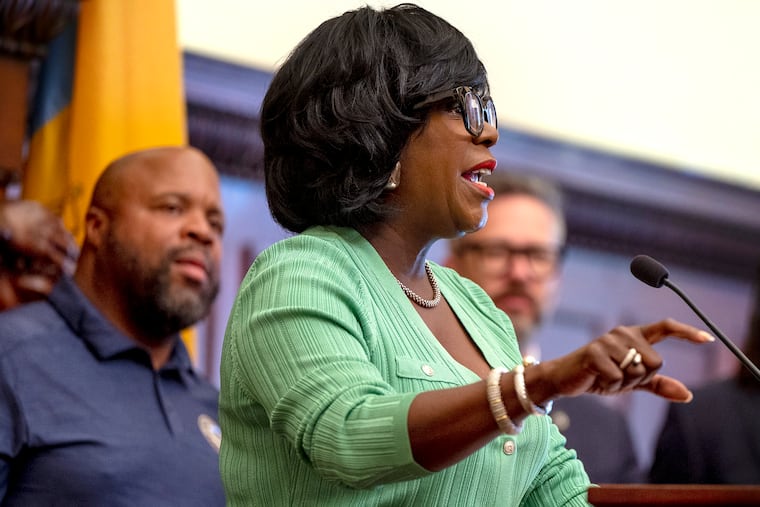
Mayor Parker proposed a 20-year tax abatement to encourage development, but progress has stalled.
The proposed 20-year property tax abatement for the redevelopment of vacant office buildings and unused public school facilities in Philadelphia has yet to gain traction within the city council. This proposal, championed by Mayor Cherelle L. Parker, was anticipated to be one of the first initiatives presented to Council President Kenyatta Johnson during the current legislative session. However, it was notably absent following a series of contentious debates regarding school closures and challenging budget discussions surrounding public education funding.
Despite the lack of immediate legislative action, Mayor Parker maintains that the proposal remains a vital component of her Housing Opportunities Made Easy (HOME) initiative. She emphasizes that this abatement could significantly bolster efforts to build, restore, or rehabilitate 30,000 housing units throughout the city. Mayor Parker has indicated that the legislation is critical for advancing her housing strategy, which aims to address Philadelphia’s pressing need for increased affordability and accessibility in the housing market.
The city’s building trades unions and real estate development community express readiness to advocate for the proposed abatement in the upcoming fall discussions. Industry experts point out that current financial models do not support widespread redevelopment without governmental incentives. There is an estimated 15 million square feet of underutilized office and industrial space across the city, a situation exacerbated by changing work patterns in the wake of the COVID-19 pandemic.
Council President Johnson has expressed openness to the idea of a 20-year abatement but has yet to view any formal proposals from the mayor. He has voiced the importance of ensuring that such tax incentives include provisions for affordable housing, a sentiment echoed by other progressive council members. For instance, Councilmember Jamie Gauthier has indicated that she would consider supporting a long-term abatement if it included strong affordability provisions.
Currently, Philadelphia has a 10-year property tax abatement for the rehabilitation of existing buildings and a lesser version for new construction. The call to double the abatement for redevelopment has gained momentum since the rise in office vacancies due to remote work. Mayor Parker has pointed to the necessity of addressing the fate of publicly owned properties, particularly the numerous long-vacant school buildings.
As the city council embarks on its next session, the discourse surrounding the potential of a 20-year abatement will likely continue to intensify. Both the administration and stakeholders from the real estate sector are expected to engage in negotiations over the summer to forge a consensus that aligns with the city’s housing goals while addressing affordability concerns.


