
Meta Faces Trial as Lawmakers Urge Online Platforms to Prioritize Children’s Safety
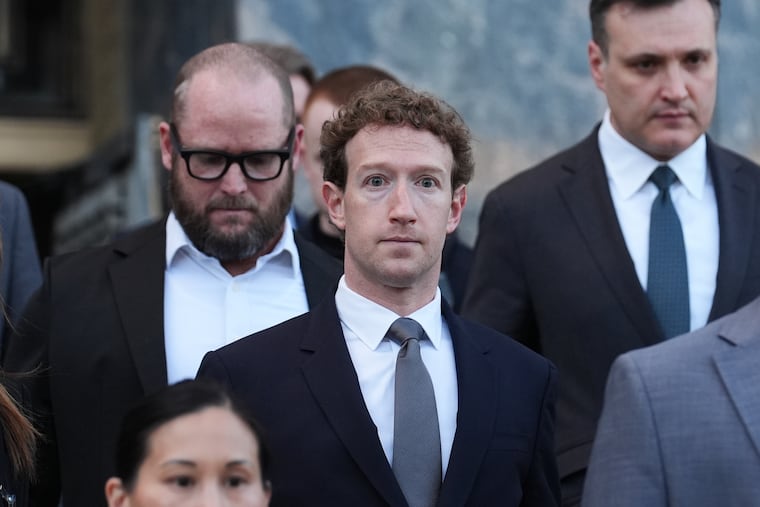
In the shadow of the Los Angeles courthouse, a poignant public memorial called the Lost Screen Memorial has emerged, featuring 50 illuminated smartphones, each representing a child whose family attributes their death to social media influences. This gathering comes as Meta Platforms, Inc., headed by Mark Zuckerberg, faces intense scrutiny in a landmark trial concerning the impacts of its social media platforms on youth well-being.
During the proceedings, internal documents from the company revealed deeply concerning strategies. A memo from 2018 included candid admissions from employees, suggesting that Meta operated like “pushers” focused on engaging younger users. The strategy emphasized drawing in children as young as tweens to ensure future engagement, highlighting a stark awareness of the potentially harmful effects of social media on this demographic.
Internal research from Meta indicates many teenagers characterize their relationship with Instagram as compulsive, falling into patterns recognized as addictive. Despite internal warnings from engineers indicating that their products could exploit vulnerabilities in human psychology, company executives prioritized profit over user safety and mental health.
The societal repercussions of social media are evidenced by tragic events. In December 2021, 10-year-old Nylah Anderson died while attempting a dangerous challenge promoted by TikTok’s algorithms. A recent court ruling deemed TikTok accountable for this incident, suggesting that content algorithms play a crucial role in shaping user experience and behaviors, particularly among minors. Additionally, the story of 13-year-old Levi Maciejewski, who ended his life shortly after experiencing extortion through Instagram, highlights the dire consequences that can ensue from unchecked social media interactions.
With increasing concerns over child safety and mental health impacts, lawmakers are attempting to legislate change. The Kids Online Safety Act, which would mandate that tech companies prioritize the safety of younger users, recently passed the Senate with overwhelming support. However, a less stringent alternative has emerged in the House, raising questions about the effectiveness of proposed reforms in genuinely protecting children.
Despite these legislative efforts, the challenge remains substantial. The average teenager spends nearly five hours daily on social media, with rates of depression, anxiety, and self-harm significantly rising in conjunction with social media usage among youths. Citing parallels with past public health crises, experts argue that it is time for a decisive reckoning with Big Tech—a move that requires leveraging the legislative tools already at hand to protect the vulnerable youth demographic.
Furthermore, recent data shows that the suicide rate among children aged 10 to 14 has tripled in recent years, underscoring the urgent need for action. There is an emerging consensus that allowing companies to engineer addictive behaviors in children is no longer acceptable. Legislative measures, such as enforcing a federal duty of care, could address these challenges more effectively.
As the trial unfolds and families publicly seek accountability, the need for robust policy changes and corporate responsibility in protecting children from the harmful effects of social media grows ever more pressing. The time for proactive measures is now, to prevent further tragedies from becoming statistics in a growing epidemic attributed to the digital age.
Media News Source


