Migrant’s shooting death sparks renewed debate on immigration policies and practices.
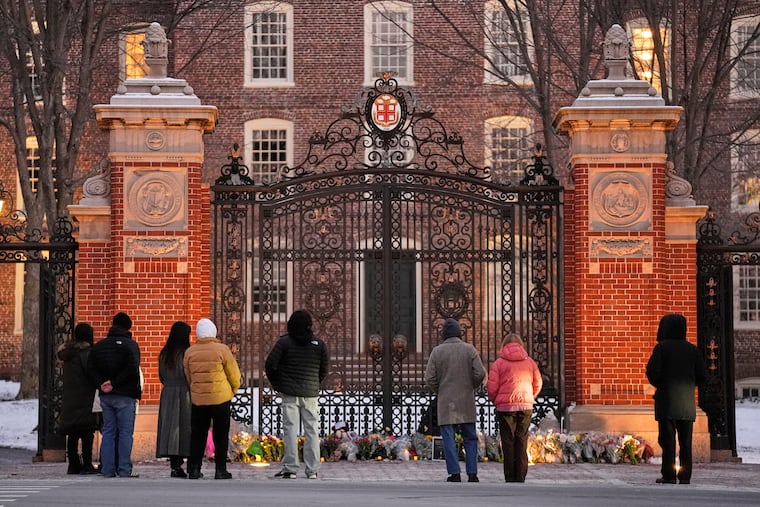
In the aftermath of a tragic mass shooting at Brown University, which resulted in the deaths of two students, and the killing of a professor from the Massachusetts Institute of Technology, the Trump administration has announced the suspension of the diversity visa lottery program. This decision has been framed as a response to the alleged actions of the suspected shooter, a national from Portugal who reportedly obtained residency through this program. Critics argue that this move serves as a convenient scapegoat, diverting attention from the larger issue of gun violence that has plagued educational institutions across the United States.
Among the victims of this violence was Mukhammad Aziz Umurzokov, a freshman at Brown University and an immigrant from Uzbekistan. Raised in a family that emigrated to the United States in search of safety and opportunity, Umurzokov aspired to become a neurosurgeon, a dream influenced by his own childhood medical experiences. His kindness and aspirations embodied the hopes of many immigrant families who seek a better life in America.
The policy response to the shooting highlights a troubling trend: rather than addressing the root causes of gun violence, the administration has chosen to focus on immigration policies. By suspending the diversity visa lottery, which provides a legal pathway for individuals from underrepresented countries, the administration fails to tackle the core issue of gun accessibility and campus safety. The visa program froze means for many families to enter the United States legally; in 2023 alone, over 5,500 people from Uzbekistan were selected through the lottery, representing a crucial opportunity for countless families.
This suspension does little to mitigate the reality of mass shootings in educational spaces and raises significant questions regarding the availability of firearms. The narrative promoted by the administration shifts the focus away from essential discussions about gun control and preventative measures. Instead of cultivating a safer environment for students, the response underscores a perception of immigrants as potential threats rather than contributors to the nation’s fabric.
As the country mourns the loss of Umurzokov and grapples with the implications of gun violence, it becomes increasingly imperative to prioritize discussions around effective strategies to prevent future tragedies. The emphasis must shift from scapegoating vulnerable populations to implementing meaningful reforms that address the accessibility of firearms. In a nation built on the aspirations of immigrants, the focus should remain on honoring lives lost by actively working to enhance safety, security, and inclusivity within educational environments.
Failure to address these pressing concerns only perpetuates a cycle of fear and misdirection, as immigrant families continue to suffer the ramifications of policies that do not confront the real issues at hand. As the nation reflects on the tragic events at Brown University, it is essential to seek solutions that genuinely contribute to the safety and well-being of all students, regardless of their backgrounds.