Million NIH Study Led by Penn Aims to Identify Early Signs of ALS and Frontotemporal Dementia
The University of Pennsylvania has initiated a groundbreaking million research project aimed at identifying early signs of neurodegenerative diseases among genetic carriers. Funded by the National Institutes of Health, this innovative study focuses on individuals carrying a variant of the C9orf72 gene, which is linked to the most prevalent inherited forms of amyotrophic lateral sclerosis (ALS) and frontotemporal dementia (FTD). ALS is a devastating illness characterized by gradual loss of motor function, whereas FTD is marked by severe alterations in behavior and language capabilities.
Individuals with the C9orf72 gene variant are at an elevated risk for developing these conditions, typically around their 50s. The severity of these diseases is underscored by the fact that ALS patients usually have a survival rate of just three years following the onset of symptoms, while individuals with FTD generally have an average life expectancy of seven to thirteen years after initial symptoms appear.
Many clinical trials targeting these ailments have been unsuccessful, largely because intervention occurs too late in the disease process. As the symptoms often remain unidentified for years, researchers have sought to discover reliable biomarkers that can signal disease development prior to overt clinical manifestations. The objective is to devise clinical trials focusing on prevention rather than treatment, thereby improving patient outcomes.
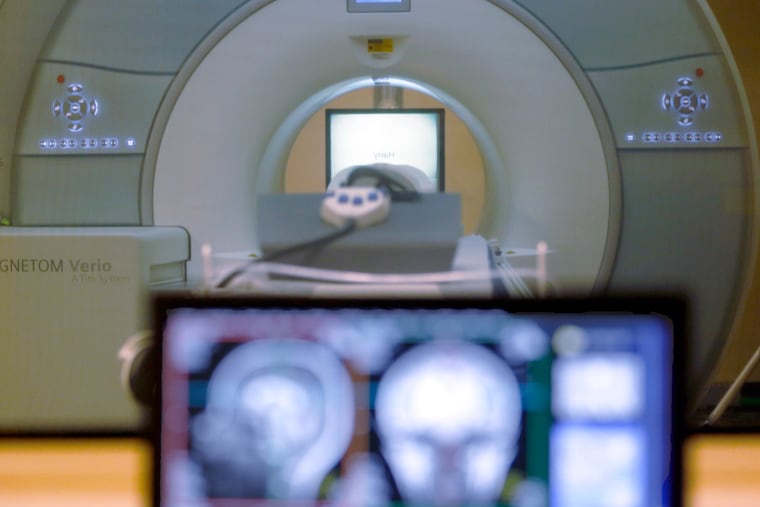
In collaboration with the University of Miami, the research team will monitor 330 carriers over the age of 45 through a series of cognitive and motor evaluations, MRI scans, and analyses of bodily fluids. Researchers anticipate that a subset of these participants will develop either ALS or FTD during the five-year study, enabling evaluations of whether potential biomarkers can accurately forecast disease onset.
Despite focusing heavily on genetic factors, it is essential to note that carriers of the C9orf72 variant experience a wide range of onset ages, complicating predictions. Researchers believe that biological changes may begin years before symptoms manifest, presenting the challenge of identifying these early indicators.
The team is already investigating five promising biomarkers, including the thalamus’ volume, which they hypothesize may diminish as the diseases approach. Successful identification and validation of these markers might pave the way for preventive trials, thereby offering hope to individuals like Yentli Soto Albrecht, a 33-year-old Penn MD-PhD student and C9orf72 carrier. Soto Albrecht’s advocacy for prevention-focused studies stems from personal experience; her father succumbed to ALS, and she faces her own significant risk.
This ambitious study positions Penn as a pivotal site among 14 national research locations, with participant enrollment projected to commence in December. For interested individuals, the research team can be contacted at C9Prevent@miami.edu. This initiative not only aims to advance understanding of C9orf72-linked diseases but also seeks to revolutionize how genetic carriers approach their health futures.