
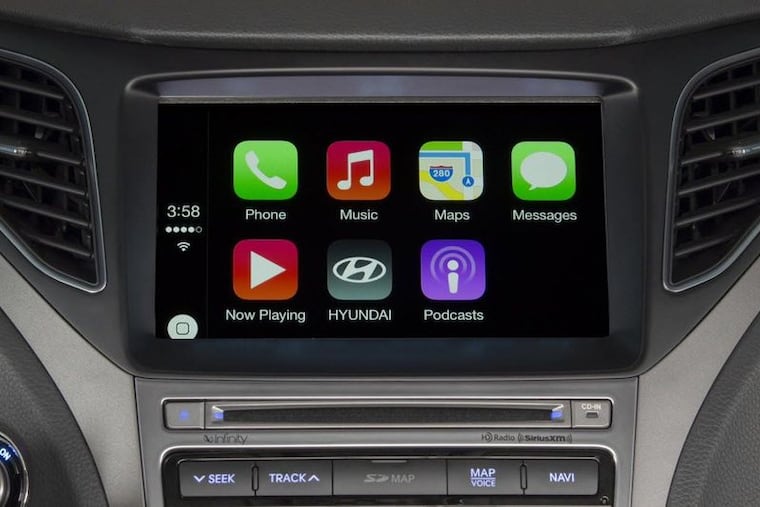
Modern cars collect personal data; here’s how you can protect your privacy.
As technology continues to evolve, modern automobiles have transformed into sophisticated computing machines capable of providing enhanced navigation, safety, and connectivity. These advancements, while improving the driving experience, have also raised significant concerns regarding data privacy. With sophisticated sensor arrays, in-car cameras, and communication systems, vehicle manufacturers are able to gather extensive data about drivers and their habits. This article explores the implications of automotive data collection and offers guidance on how consumers can maintain their privacy.
Automobiles today are equipped with a variety of data-collecting technologies, including GPS, telematics, and onboard software systems that track user interactions. According to a recent analysis by the Mozilla Foundation, cars are currently among the least compliant products regarding privacy, often exceeding consumer expectations for data capture. The data collected by these systems includes not only standard metrics such as speed and turning patterns but also intricate details of driver behavior, such as the time of day when they drive and the use of various vehicle features.
The issue of data privacy was highlighted earlier this year when General Motors faced criticism for sharing driver data without proper consent. The Federal Trade Commission intervened, prohibiting GM from disclosing personal data collected from drivers to third parties. This incident underscores the importance of understanding what data is collected and how it is used, with implications for both insurance and marketing.
To navigate these complexities, drivers should first become informed about the data practices of their specific vehicle models. This effort could involve consulting the owner’s manual or engaging with dealership staff, although these procedures might not always provide clear answers. Privacy-focused organizations like Privacy4Cars offer valuable resources, including a free online service that summarizes an individual car’s data collection practices based on its Vehicle Identification Number (VIN).
Furthermore, vehicle owners are encouraged to review and adjust their privacy settings. Many manufacturers provide options for drivers to limit data sharing through their vehicle’s dashboard or associated mobile applications. For instance, companies like Toyota and Ford allow users to opt out of certain types of data sharing, thereby giving drivers more control over their personal information.
Despite these privacy options, experts caution that opting out of data collection may lead to limitations on certain features of the vehicle. Essential services such as roadside assistance or smartphone connectivity might be compromised when users decide against data sharing. Therefore, it is crucial for consumers to weigh the convenience provided by connected features against their privacy preferences.
When the time comes to sell or trade in a vehicle, owners must also consider data protection. Experts recommend performing a factory reset to erase personal information and disconnecting any linked devices. Informing the manufacturer of the change in ownership is essential to prevent previous data associations from impacting the new owner’s profile.
In summary, as vehicles become increasingly technologically advanced, the collection of personal data poses significant privacy challenges. By staying informed and actively managing privacy settings, vehicle owners can navigate this landscape more effectively. The evolution of automotive technology offers both enhanced convenience and complex privacy considerations, highlighting the importance of informed and proactive consumer decisions.
This analysis serves as an essential guide for car owners concerned about data privacy, illustrating both the benefits and challenges of modern automotive technology.
Media News Source


