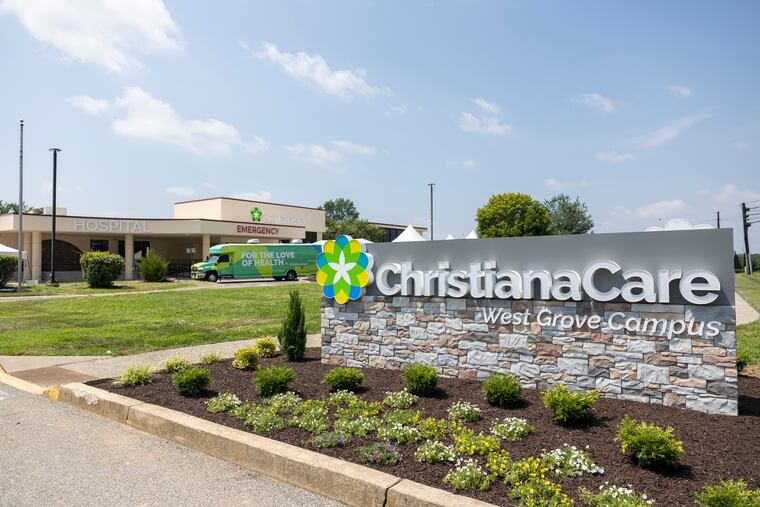

More adults in Pennsylvania are contracting measles, traditionally considered a childhood illness.
Pennsylvania is currently facing its most significant measles outbreak in decades, with over 1,300 cases reported statewide. This surge challenges historical expectations as the majority of those affected are adults, a demographic typically less impacted by the disease. Health officials have noted an alarming trend: approximately two-thirds of recent measles cases involve adults, particularly those aged 25 to 49.
Patients arriving at the Penn State Lancaster Medical Center exhibit severe symptoms that extend beyond the expected cough, fever, and rash typically associated with measles. Many present with life-threatening complications such as meningitis, sepsis, and pneumonia, alongside additional bacterial infections, kidney failure, and hepatitis. This unprecedented severity in otherwise healthy adults highlights the changing dynamics of measles susceptibility.
The outbreak, which has led to six fatalities, including four adults, further underscores the increased vulnerability among unvaccinated individuals. Historically, widespread vaccination has kept the incidence of measles low, but recent declines in vaccination rates due to misinformation and political influences have left certain communities, including some Amish populations, particularly at risk.
Notably, the hospitalization rate for this outbreak is nearly double that of other recent outbreaks witnessed across the country, with 20% of measles patients requiring hospital treatment. Children under four years old have been especially hard hit, accounting for one-third of hospital admissions. Experts attribute the sharp rise in hospitalizations to adults postponing medical attention until symptoms worsen significantly.
Moreover, the outbreak has given rise to cases of congenital measles, where the disease is transmitted from infected mothers to newborns during pregnancy. This raises concerns about serious complications for both mother and child, prompting state health officials to issue alerts regarding the risks associated with measles during pregnancy.
In response to the outbreak, health officials have ramped up vaccination efforts, including pop-up clinics in rural areas and house calls to increase accessibility for underserved populations. The Measles, Mumps, and Rubella (MMR) vaccine remains a critical preventative measure, boasting a 93% efficacy after the first dose.
In summary, as Pennsylvania navigates this public health crisis, the emphasis on vaccination and awareness has never been more crucial. The dynamics of measles transmission have shifted, with adults now facing heightened risks alongside traditional vulnerable populations. Continued community engagement and education will be vital in mitigating the spread and ensuring population immunity against this preventable disease.
For ongoing updates on the situation, residents are encouraged to consult with health professionals and consider vaccination if they have not been immunized. As public health initiatives evolve, collective vigilance remains essential in combating this resurgence of measles.
Media News Source.