
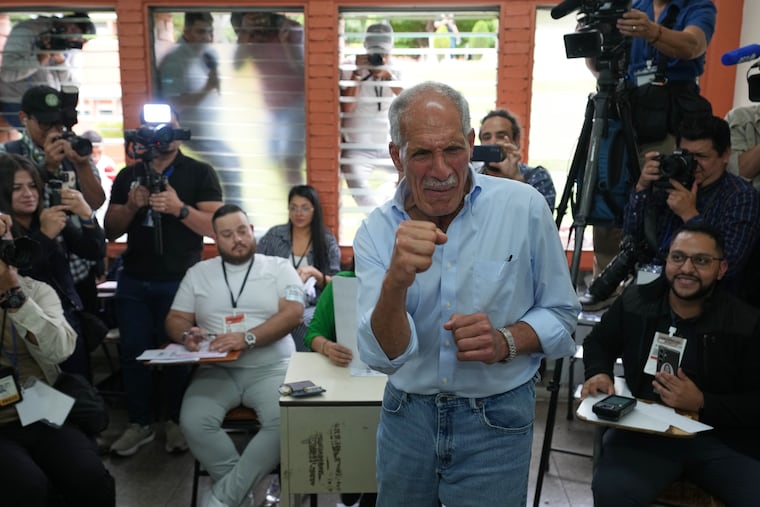
Nasry Asfura, backed by Trump, wins presidential election in Honduras.
TEGUCIGALPA, Honduras – The recent presidential election in Honduras culminated in the victory of the Trump-backed candidate Nasry Asfura, as confirmed by the country’s electoral authorities on Wednesday. This decision comes after a protracted vote counting process that has raised significant doubts about the integrity of Honduras’ electoral framework.
Asfura, representing the conservative National Party, garnered 40.27% of the votes cast on November 30, narrowly surpassing his opponent, Salvador Nasralla of the Liberal Party, who secured 39.39%. This election saw Asfura triumph in his second attempt for the presidency after a closely contested race, which persisted for weeks and attracted international scrutiny due to the slow pace of result tabulation.
The electoral process, characterized by disputes among electoral officials and candidates, ignited tensions at Asfura’s campaign headquarters, where supporters celebrated the announcement of the results. In a post on X, Asfura expressed his gratitude to the electorate, pledging to govern responsibly. His victory marks a continuation of the rightward shift observed in Latin American politics, occurring shortly after a similar outcome in Chile, where far-right politician José Antonio Kast was elected.
Asfura’s win signals a repudiation of the current administration led by progressive President Xiomara Castro and her party, Liberty and Re-foundation (LIBRE), whose candidate fell far behind in third place, earning only 19.19% of the votes. The new president, previously the mayor of Tegucigalpa, framed his campaign around his record of successful infrastructure projects and received a late endorsement from former President Trump, which some critics argue may have influenced the election’s outcome.
Nasralla has asserted that the election was marred by fraud and has called for a comprehensive recount of votes. He raised concerns via social media, questioning the legitimacy of Asfura’s candidacy and calling for transparency in the electoral process. Opponents have accused Trump of interfering in Honduras’ electoral integrity, suggesting his endorsement may have swayed the final results.
The protracted counting process was a point of contention, leaving the Central American nation in political limbo for weeks. Concerns over the electoral authority’s efficacy escalated, culminating in urgent appeals for timely vote reporting from international bodies like the Organization of American States.
For President Castro, who had ascended to power on a reformist platform, the election represents a significant political setback. Initially heralded as a transformative leader, she now faces pressure as her administration grapples with widespread discontent. While Castro has indicated she will accept the election results, her party’s supporters express doubts regarding the legitimacy of the process under Trump’s influence.
International observers have noted that the dissatisfaction with Castro’s governance is palpable, yet allegations of electoral fraud are met with skepticism within the broader electoral context. As scrutiny mounts, the implications of Asfura’s victory reverberate beyond Honduras, reflecting the shifting political tides in the region.
The consequences of this election and its aftermath will likely shape the future trajectory of Honduran politics and its interactions with external powers. As the dust settles, the focus now turns to how Asfura will navigate the challenges ahead, both domestically and internationally.


