
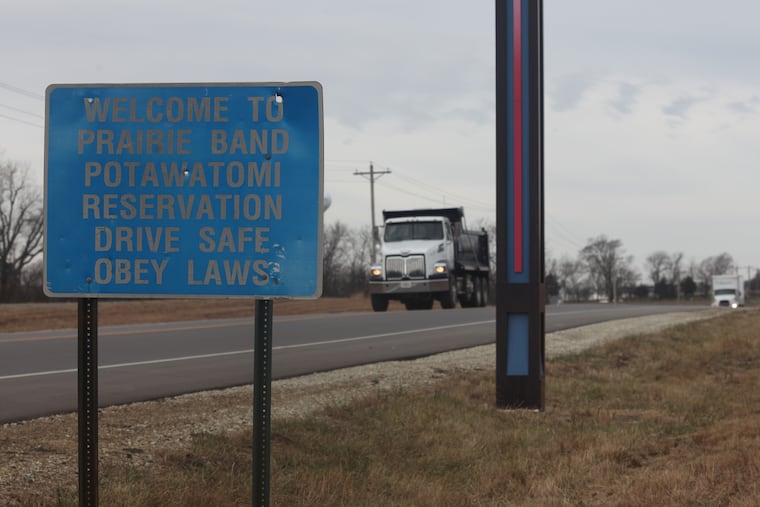
Native American group faces backlash over contract to design immigration detention centers.
In a surprising and contentious development, the Prairie Band Potawatomi Nation, a Native American tribe historically displaced by U.S. policy, is facing backlash for its involvement in a federal contract connected to immigration detention facilities. The tribe, which has a legacy of experiencing forced removal from its ancestral lands in the Great Lakes region during the 1830s, finds itself in a precarious situation as it navigates the optics of profiting from a federal mass deportation campaign initiated during the Trump administration.
In October, a tribal business entity known as KPB Services LLC, established by a former naval officer, signed a nearly million contract with the U.S. Department of Homeland Security to design immigrant detention centers across the country. The announcement of this contract has triggered a wave of criticism from other Native American communities, urging a reevaluation of the tribe’s decision and its implications on the tribal identity and values.
As the outcry escalated, tribal leadership announced the termination of the economic development officials involved in the deal, signaling their acknowledgment of the community’s distress. Tribal Chairperson Joseph “Zeke” Rupnick emphasized the need for transparency and is reportedly consulting legal counsel to explore options for extricating the tribe from the contract. He drew parallels between the tribe’s historical trauma and the current participation in federal detention initiatives, highlighting a collective concern about perpetuating past injustices.
The contract, which began as a million award before modification, has attracted scrutiny regarding the absence of competitive bidding, a standard protocol for federal contracting. Critics argue that federal transparency in procurement is vital to maintaining public trust, particularly in light of the government’s stated objectives to eliminate waste and fraud.
Similar partnerships between tribal entities and U.S. immigration authorities have surfaced elsewhere, yet they often invite serious philosophical debates within Indigenous communities about ethical alignments and historical contexts. In addition, a broader economic backdrop complicates matters; many tribal economies have faced challenges due to decreasing federal funding and inflationary pressures, leading some entities to explore contracts that may not resonate with their core values.
Moreover, the association between the Prairie Band Potawatomi Nation and the federal government has highlighted existing tensions in the realm of immigration enforcement, as Native Americans have also been subjected to increased scrutiny amidst heightened immigration enforcement measures.
The situation underscores a significant moment of introspection for the tribe, shedding light on the complex interplay between economic necessity and adherence to cultural and historical principles. As the Prairie Band Potawatomi Nation reconvenes to address these issues, the outcomes may influence not only their future engagements with federal contracting but also how they are perceived in the context of broader Indigenous rights and agency.


