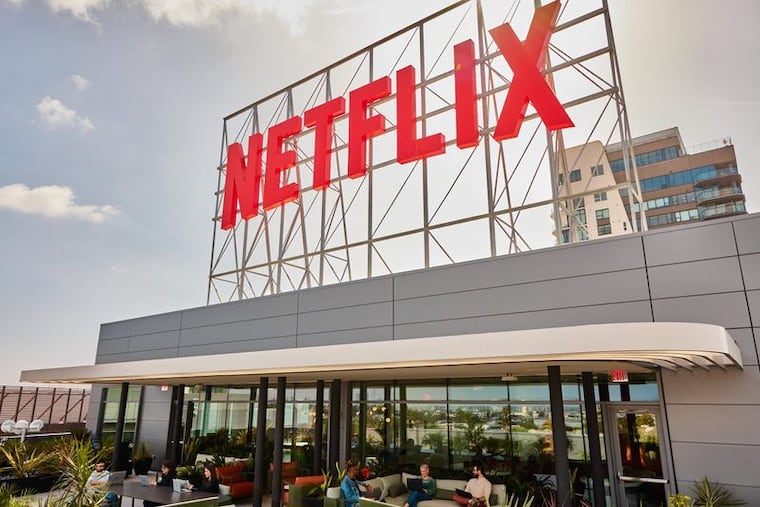
Netflix plans to acquire Warner Bros Discovery’s studios and streaming division for billion.
In a landmark decision that is poised to reshape the media landscape, Netflix has announced its acquisition of Warner Bros. Discovery’s TV and film studios, along with its streaming division, for a staggering billion. This agreement, revealed on Friday, culminates a competitive bidding process in which Netflix ultimately prevailed with an offer of approximately per share, surpassing rival Paramount Skydance’s bid of around per share for the entire Warner Bros. Discovery entity, including its forthcoming spinoff of cable television assets.
The closing price of Warner Bros. Discovery shares on Thursday had reached .50, reflecting a total market valuation of around billion. The agreement marks a significant shift in Hollywood, as Netflix gains ownership of iconic franchises such as “Game of Thrones,” “DC Comics,” and “Harry Potter.” With this acquisition, Netflix strengthens its position in the streaming industry, reinforcing its competitive edge against formidable opponents including Disney and Paramount.
The co-CEOs of Netflix have expressed optimism about the merger, suggesting that the partnership will enhance their ability to deliver content that resonates with audiences and shape the future of storytelling. Analysts indicate that this move is part of Netflix’s broader strategy to secure long-term rights to successful content, reducing its reliance on external studios as it expands into gaming and additional growth channels.
Despite its strategic ambition, the acquisition is expected to encounter rigorous scrutiny from antitrust regulators in both the United States and Europe. Concerns revolve around the implications of consolidating control over significant media assets, particularly given that HBO Max, a competitor in the streaming space, is under the Warner Bros. Discovery umbrella and boasts nearly 130 million subscribers.
The acquisition process has not been without controversy. Paramount, which initiated the bidding war with unsolicited offers, raised allegations regarding preferential treatment toward Netflix in the sale process. To mitigate concerns regarding market concentration, Netflix has argued that this consolidation could ultimately benefit consumers by offering a more affordable bundled service option that includes both Netflix and HBO Max.
The deal, structured as a cash-and-stock transaction, will see Warner Bros. Discovery shareholders receiving approximately .25 in cash and .50 in Netflix stock for each share, which values Warner Bros. at .75 a share. This valuation represents billion in equity, equating to about .7 billion when factoring in debt.
Notably, Netflix commits to maintaining the theatrical release of Warner Bros. films, countering fears that merging with the studio would diminish the landscape for traditional film releases. The agreement is anticipated to finalize after Warner Bros. Discovery completes its spinoff of Discovery Global, projected for the third quarter of 2026. Following the acquisition’s closure, Netflix anticipates achieving annual cost savings of billion to billion by the third year, highlighting the expected efficiencies of the consolidated entities.
This acquisition marks a pivotal moment in the ongoing evolution of media consumption, where streaming platforms are increasingly vying for dominance in a rapidly changing industry. The implications of this merger will be closely monitored by stakeholders across the entertainment and regulatory sectors as the deal progresses.
Media News Source.