New curfew enforcement in North Philly threatens food truck vendors, raising concerns about the impact on their businesses.
In North Philadelphia, food truck operators, many of whom are Latino, are expressing deep concerns regarding a recently enforced curfew that mandates their businesses close by 11 p.m. This regulation jeopardizes the sustainability of their establishments, which traditionally cater to late-night customers including SEPTA drivers, truckers, police officers, and bar patrons seeking affordable Dominican and Mexican cuisine.
The original curfew legislation was introduced in January 2024 by Councilmember Quetcy Lozada, who aimed to enhance community safety and target certain “nuisance businesses,” particularly unlicensed smoke shops and corner stores with slot-machine gambling. The curfew was expanded this past spring, following reported success in reducing crime rates—although current statistics show a 40% increase in violent crime year-to-date, with a notable decrease in recent weeks.
Many food truck proprietors within Lozada’s district feel betrayed by her initiatives. Jose Lora, who has operated Delicias Dominicanas at the same location for over a decade, expressed confusion over the association between food vendors and crime. Historically, Lora has served customers until midnight, and until the pandemic, he remained open even later.
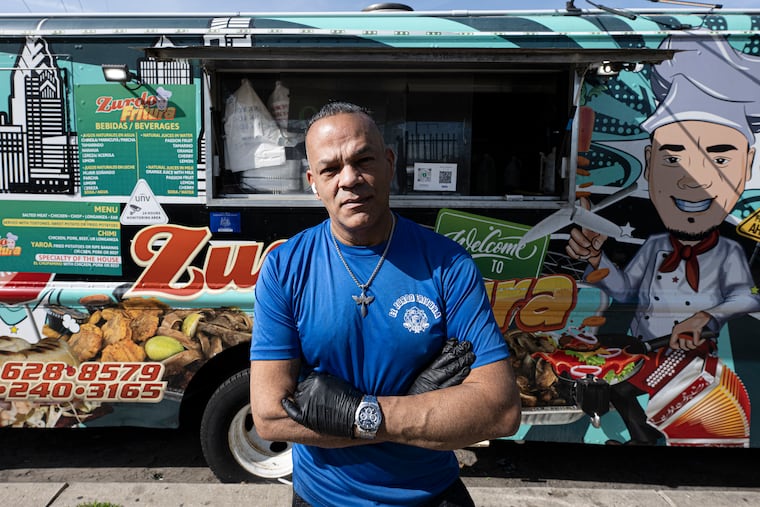
Now aligned with the newly formed Latino Food Truck Association, representing around 50 food trucks in their area, Lora and his peers have reported receiving at least 26 citations amounting to over ,000 in fines due to the curfew. This enforcement has drastically impacted their incomes, leaving some, like Ramon Mezquita of Zurdo Fritura, with significant financial strain. Mezquita has accrued multiple tickets and lost approximately 75% of his revenue following the curfew’s enforcement.
Councilmember Lozada maintains that these operations, which often ran without consequences for years, had been violating existing city regulations. Food vendors are now faced with a challenging landscape, as stricter enforcement has upended the equilibrium they previously enjoyed. Many vendors express a feeling of being unfairly targeted, particularly as larger establishments with liquor licenses are exempt from the curfew.
As tensions escalate, the situation intensified recently when city officials towed multiple vehicles and shut down ten vendors citing illegal operations. Despite claims this was unrelated to the curfew, the event raised concerns among food truck operators about potential retaliatory actions against those who have voiced objections to the new restrictions. Community leaders argue that the enforcement disproportionately impacts small, local businesses while favoring larger franchises.
The ongoing debate illustrates a complex intersection of public safety, economic survival, and community dynamics in North Philadelphia, as food truck vendors strive to navigate the new regulatory landscape while advocating for their rights to operate. The Latino Food Truck Association is actively seeking a resolution to allow their businesses to continue serving the community late into the night, emphasizing their role in providing accessible, healthy food options in underserved areas.
As these discussions evolve, the future of North Philadelphia’s late-night food scene hangs in the balance, reflecting broader socio-economic challenges faced by small business owners in the region.