New economic data presents unclear insights, complicating understanding of current financial conditions.
Recent economic indicators released this week have left many economists grappling with uncertainties regarding the current state of the U.S. economy. Following a period of government shutdown, employment metrics are presenting a complex picture, demonstrating significant variations that complicate accurate interpretation.
According to the latest data, the unemployment rate rose to 4.6%, a level not seen in four years. In stark contrast, inflation appeared to subside more than expected, while retail sales displayed unexpected resilience in October. However, experts caution that these assessments may be compromised by low response rates and disruptions in data collection stemming from the government shutdown.
The confluence of these factors has exacerbated existing uncertainty, further complicating the outlook for policymakers, business leaders, and political figures who have been attempting to navigate a tumultuous economic landscape throughout the year. The disparity in the data is particularly concerning, as many analysts anticipated challenges in deriving reliable conclusions post-shutdown.
Employment figures provide a sobering view of the labor market, with reports indicating a decline of 41,000 jobs in October and November. The household survey used by the Labor Department to calculate the unemployment rate was not conducted in October, and the November response rate fell to a record low of 64%, raising questions about its reliability. Comparatively, years past recorded response rates around 70%.
Concerns related to the Consumer Price Index (CPI) have also emerged. Many economists deem the reported inflation figures improbable, suggesting they are skewed due to significant delays in data collection. The calculation of inflation did not begin until November 14, which meant that many prices reflected discounts related to Black Friday and holiday promotions. Notably, rental and homeowner costs were reported to remain unchanged for October, presenting a statistical anomaly that cast further doubt on the validity of current inflation measures.
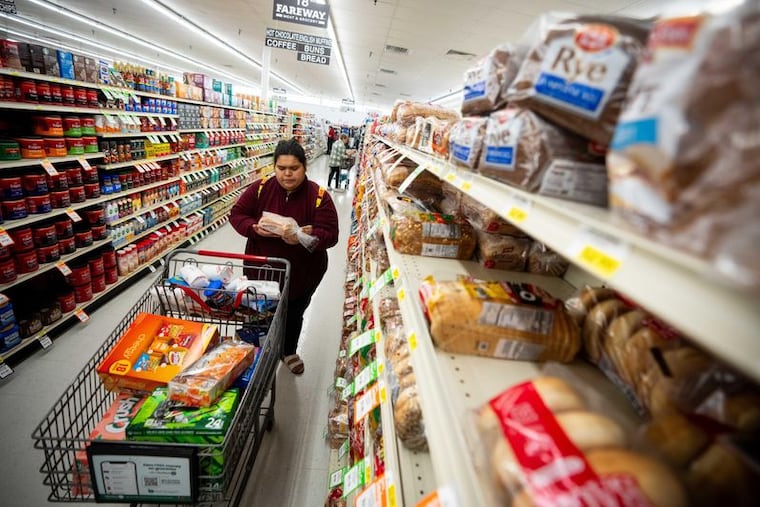
In a separate but related report, retail sales data revealed an uptick in expenditures at grocery stores, furniture retailers, and online vendors, while spending at restaurants and gas stations declined. Experts advised caution in interpreting these results, labeling them “unusually noisy” as a consequence of the shutdown.
Despite generally solid economic foundations, there remains anxiety over potentially weakening labor markets and consumer spending, highlighting the risk of a recession if these trends continue. Increased caution is also evident from the Federal Reserve, as officials seek guidance from fluctuating job market metrics and inflation rate data to determine future interest rate adjustments.
As the economy continues to evolve under these turbulent conditions, further reporting on Gross Domestic Product due Tuesday is anticipated to provide additional clarity—albeit within the context of ongoing uncertainties. Federal Reserve officials have indicated the necessity of scrutinizing upcoming economic reports carefully, reflecting the complexities and nuances that characterize the current economic environment.
The evolving fiscal landscape necessitates ongoing vigilance and adaptability from both economic leaders and consumers as the nation approaches a pivotal period in its economic trajectory.