
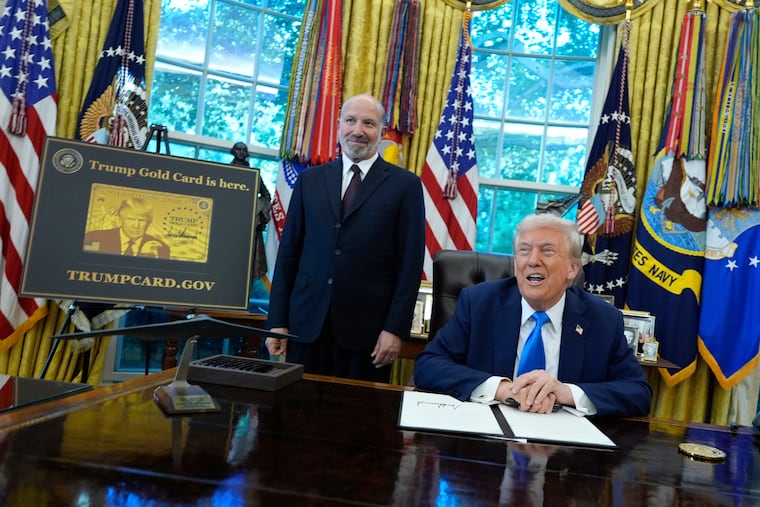
New fee proposed by Trump affects H-1B visa application process. Here’s what you need to know.
In a surprising move, the Trump administration recently announced the implementation of a 0,000 fee on H-1B visas, a decision that has sent shockwaves through various sectors, including employers, students, and foreign workers from the United States to India. This new policy took effect at 12:01 a.m. Eastern time on Sunday, catching many off-guard and raising numerous questions about its implications.
Following the announcement, the White House attempted to clarify the situation, emphasizing that the fee would not affect current visa holders or prevent H-1B employees traveling abroad from re-entering the United States. However, uncertainty remains prevalent within the business community, with legal experts expressing concerns over the lack of procedural clarity regarding the payment of the new fee. Questions abound regarding how employers will manage this fee and whether universities and nonprofit organizations, which are typically exempt from H-1B visa limits, will be subjected to this charge.
H-1B visas were introduced in the 1990 Immigration Act to enable U.S. employers to hire foreign workers with specialized skills that are in short supply domestically. The visas are typically issued for a duration of three years, with the possibility of a three-year extension. Currently, around 700,000 H-1B visa holders reside in the U.S., primarily working in technology, healthcare, and academia. Historically, these visas have allowed businesses to tap into global talent pools, although they have also faced criticism for allegedly displacing American workers.
The newly introduced fee drastically contrasts the existing application fee of 5, suggesting an annual accumulation of costs that could reach as much as 0,000 across multiple visa renewals. Critics of the H-1B program argue that it undermines American labor by facilitating the employment of foreign workers at lower wages. Conversely, proponents argue that the program is pivotal for maintaining technological innovation and competitiveness.
Some economic analysts suggest that while larger firms may absorb the cost of this new fee, smaller businesses and startups, which heavily rely on H-1B visa holders, could struggle to bear the financial burden. The concern is that this could lead to a significant reduction in the foreign talent pool within the U.S., ultimately resulting in higher costs for companies and a potential decline in the quality of services offered by tech firms and other sectors reliant on skilled labor.
As the new regulations unfold, many aspiring international students are re-evaluating their plans, while experts warn of implications that may favor competing countries in the global market for skilled workers. This rapidly evolving landscape presents critical challenges for policymakers as they navigate the delicate balance between protecting American jobs and fostering a competitive economy that benefits from international expertise.
Media News Source


