New gallery opens at Penn Museum focusing on the struggles and resilience of Indigenous nations.
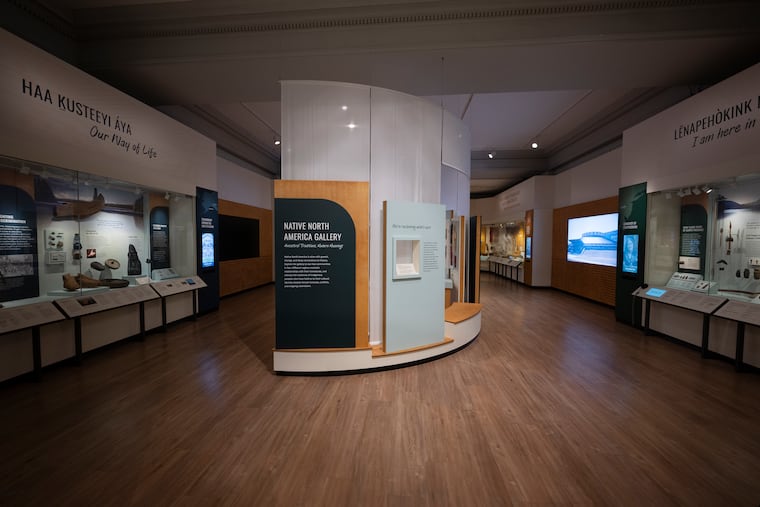
The Penn Museum has long been a significant repository of Native American history, offering insights into diverse Indigenous cultures from Alaska to the southernmost reaches of the continental United States. Recently, the institution announced the opening of a new gallery titled “Native North America Gallery: Rooted in Resilience. Resisting Erasure,” which expands its educational offerings to include a comprehensive view of Native American artistic, linguistic, spiritual, and revolutionary traditions.
The new exhibition features over 250 cultural artifacts and artworks, reflecting the rich heritage of Indigenous peoples across the United States. Christopher Woods, director of the Penn Museum, emphasized that the gallery builds upon the museum’s extensive Native American collection while also addressing the contemporary lives of Indigenous communities. This approach follows the themes established in previous exhibits, which included firsthand narratives and the participation of Indigenous curators.
The gallery presents a broad perspective of Native American history, reframing narratives from four distinct regions of the United States, including insights from the Lenape people of Delaware. Significant pieces on display include a floral beadwork collar from the Lenape, a traditional woven basket from the Eastern Band Cherokee, an ancestral clay mug from the Pueblo people, and a ceremonial Chilkat blanket from the Tlingit community. Among the collection are both ancient tools and modern artworks, showcasing the breadth of Native American artistic expression.
Integral to the curation process has been the involvement of Indigenous consultants, including cultural educators and tribal members, who contributed not only their expertise but also personal artifacts and stories, enriching the gallery’s narrative fabric. This collaborative effort involved consultants such as Jeremy Johnson from the Delaware Tribe of Indians and RaeLynn Butler from the Muscogee (Creek) Nation, who played crucial roles in shaping the exhibition’s direction and integrity.
Visitors to the gallery will find interactive displays and multimedia elements that provide in-depth context about the cultural items, tools, and regalia showcased. There is also a focus on the history of these communities prior to, and following, European contact. The gallery aims to present a vibrant portrayal of Indigenous life, counteracting the historical tendency to depict Native communities as relics of the past.
The opening ceremony of the Native North America Gallery included remarks from Indigenous curators, traditional dance performances, and storytelling sessions, fostering a culturally rich atmosphere. The gallery will be open for both in-person and virtual visits, with tickets priced at for general admission and for members. Enhanced access to guided tours can be arranged on select days, allowing visitors deeper engagement with the exhibits.
The Penn Museum’s commitment to collaboration with Indigenous peoples not only reflects a modern ethos of cultural sharing but also seeks to serve as a model for future exhibitions across the country. For additional information, prospective visitors are encouraged to consult the museum’s official website.