
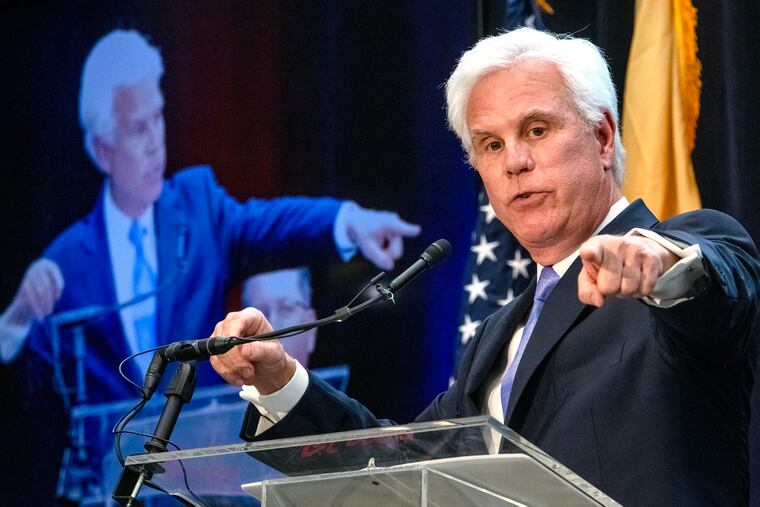
New Jersey Comptroller alleges conflicts of interest between George Norcross’s firm and local government insurance funds.
Health insurance funds catering to over 100,000 local government employees in New Jersey have been the focus of scrutiny following a report from the New Jersey Office of the State Comptroller. The report alleges that Conner Strong & Buckelew, a Camden-based insurance brokerage, has monopolized control over these funds’ contracts, raising significant concerns about possible violations of public contracting laws, as well as undisclosed conflicts of interest.
The findings indicate that Conner Strong, founded by prominent Democratic figure George E. Norcross III, has engaged in practices that could undermine the integrity of the procurement process. According to the report, the same entity that writes the request for proposals (RFP) also reviews the bids and ultimately awards the contracts to itself—a situation viewed as a blatant conflict of interest. Acting Comptroller Kevin Walsh emphasized the seriousness of these allegations, stating that the vendor’s actions concealed its dual roles in the contracting process, which are intended to safeguard taxpayer funds.
In response to the report, representatives for Conner Strong and Norcross firmly rejected the allegations, arguing that the inquiry displays an abuse of power by the comptroller’s office. They compared the controversy to previous legal challenges faced by Norcross, including a racketeering indictment that was dismissed earlier this year but is currently under appeal.
The report, spanning 49 pages, scrutinizes the operations of taxpayer-funded health insurance funds, which assist local governments and school districts in managing insurance costs effectively. It specifically examines proposals from three different funds: the Southern New Jersey Regional Employee Benefits Fund, the Schools Health Insurance Fund, and the Municipal Reinsurance Health Insurance Fund. Investigators revealed that Conner Strong and its affiliate, PERMA, often dictated the criteria for contract approval while simultaneously winning the awarded contracts.
State regulations prohibit such dual roles; however, the report states that Conner Strong acted as the program manager while PERMA served as the fund administrator. This overlap raises questions about the independence of the entities involved, with the report stating that they effectively operate as the same organization under different names.
Financially, from fiscal years 2021 to 2025, these funds paid over million to Conner Strong and PERMA, often for overlapping services, which has raised concerns about whether these expenses could have been better managed. The comptroller’s office insists that the report aims to ensure transparency, especially given that both Conner Strong and PERMA continue to dispute allegations of wrongdoing.
In light of these findings, Walsh has mandated that the affected health insurance funds draft corrective action plans to address the issues raised. The chairs of the various funds have issued a statement defending their operations, dismissing the comptroller’s claims as unfounded and indicative of a misunderstanding of their functioning over the past three decades.
As this situation unfolds, the implications for public contracting practices in New Jersey remain to be seen, with calls for oversight and accountability likely to grow louder in light of the report’s findings. The importance of maintaining integrity in public health insurance operations cannot be overstated, as it directly impacts the quality and affordability of benefits provided to public workers and their families.
Media News Source


