
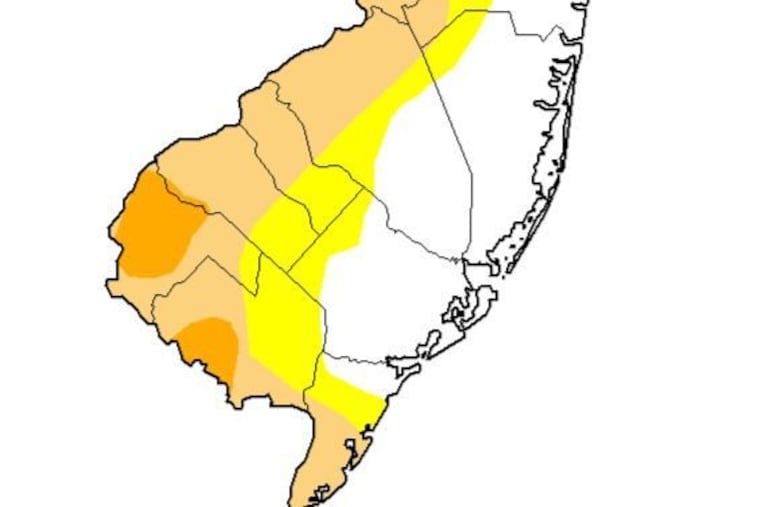
New Jersey urges residents to conserve water voluntarily due to a drought warning linked to climate change.
In response to significantly reduced rainfall across the state, New Jersey officials have declared a drought warning, urging residents to voluntarily limit their water consumption. The state Department of Environmental Protection (DEP) has reported that some areas have experienced a deficit of up to eight inches in precipitation over the past year, affecting reservoirs, streams, and aquifers.
Deputy Commissioner Shawn LaTourette emphasized the pressing need for water conservation, attributing the current water supply challenges to the broader impacts of climate change. In light of these conditions, residents are encouraged to implement water-saving measures to mitigate the potential for mandatory restrictions, which, while rare, could be enforced should the drought situation worsen.
This declaration marks the state’s second consecutive year of drought scrutiny. The previous warning was issued in November 2024, coinciding with multiple wildfires exacerbated by dry and windy weather conditions that claimed lives and prompted a heightened response from firefighters. This previous drought warning was officially lifted in June after significant rainfall recorded in parts of the state in May.
State officials reported substantial shortfalls in precipitation, with recent data from the Middle Atlantic River Forecast Center highlighting that counties including Burlington, Camden, and Gloucester are nearing four inches below average within the past 90 days. Over the past year, Burlington County has reported more than seven inches below normal, while Camden County has seen reductions of over six inches.
The U.S. Drought Monitor further categorizes regions in South Jersey as facing moderate to severe drought conditions. Approximately 3.5 million residents find themselves living in areas impacted by drought, and recent rains have proven insufficient to rectify the overall deficit in water levels.
The state’s ability to gauge the effects of rainfall on water supplies involves monitoring various indicators, including reservoir levels, stream flows, and groundwater supplies. Groundwater levels in South Jersey are classified as extremely dry, while precipitation rates and stream flows are noted as severely dry, leading to noticeable stress on regional resources.
Officials have also provided practical recommendations for residents to conserve water. Suggestions include running dishwashers and laundry machines only when full, checking for leaks in pipes, and utilizing low-flow fixtures, which can lead to substantial savings in water usage throughout the year.
As the situation continues to develop, an update on rainfall and drought conditions is anticipated soon. The need for sustained efforts in water conservation appears increasingly critical for New Jersey as it grapples with the implications of climate-related weather patterns.
Media News Source


