New report reveals demographics of residents in Center City’s recently built apartment buildings.
In a notable trend among urban dwellers, the influx of new residents to Philadelphia’s Center City reflects a broader demographic shift as more individuals prioritize proximity to work and transit systems. Adam Sawyer and his wife, Marissa Tan, made the decision to relocate from Baltimore to Philadelphia in 2024, largely drawn by the area’s extensive public transportation options and a rich urban lifestyle.
Upon moving, the couple sold their car, which allowed them to afford renting in one of the many high-rise apartments that have emerged in Center City over the past decade. They settled at the Riverwalk North, a development by PMC Property Group, located at 23rd and Arch Streets. Both Sawyer and Tan found the city’s vibrant energy and accessible amenities compelling, describing their experience as filled with events and activities that foster a lively atmosphere.
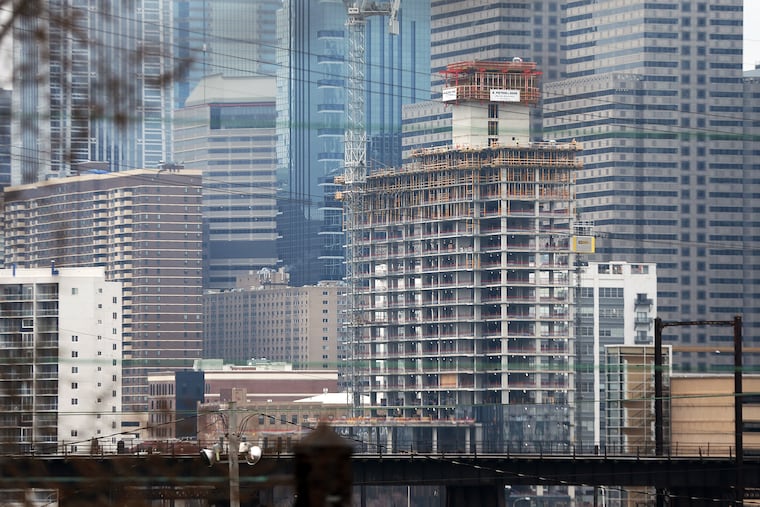
Recent data from the Center City District (CCD) supports their perspective by documenting substantial changes in the area. A survey covering over two dozen recently constructed buildings indicated that approximately 3,500 new apartments have been introduced to the rental market between Pine and Vine Streets. The survey highlighted that 83% of residents living in these new buildings are under the age of 45, with more than half opting not to own a car. Additionally, nearly 44% of respondents reported relocating from outside the Philadelphia area.
Interestingly, while Philadelphia grapples with an overall poverty rate of 20%, residents of these new apartments predominantly reflect a wealthier demographic. Rental rates for these newer units average around ,645—substantially higher than the citywide median rent of approximately ,387. This indicates a growing demand for urban living space among higher-income residents, which contrasts sharply with broader city statistics.
The survey also shed light on employment patterns among new residents, with only 12% commuting to suburb jobs compared to almost 40% citywide. This aligns with the trend of residents valuing convenience; over 70% of respondents indicated their jobs were within walking, biking, or transit distance from home. This urban preference has led to an increasing interest in renting rather than buying, with 45% of surveyed individuals expressing intentions to continue renting in the next three to five years.
The changing face of Philadelphia’s urban landscape has not gone unnoticed. Economic Development Vice President Clint Randall noted that the influx contradicts long-held assumptions of population decline, suggesting a renaissance in the city’s growth narrative. As Center City further develops its reputation as an appealing location for both work and play, it remains poised to attract a diverse array of residents for years to come, fundamentally altering its demographic and economic landscape.