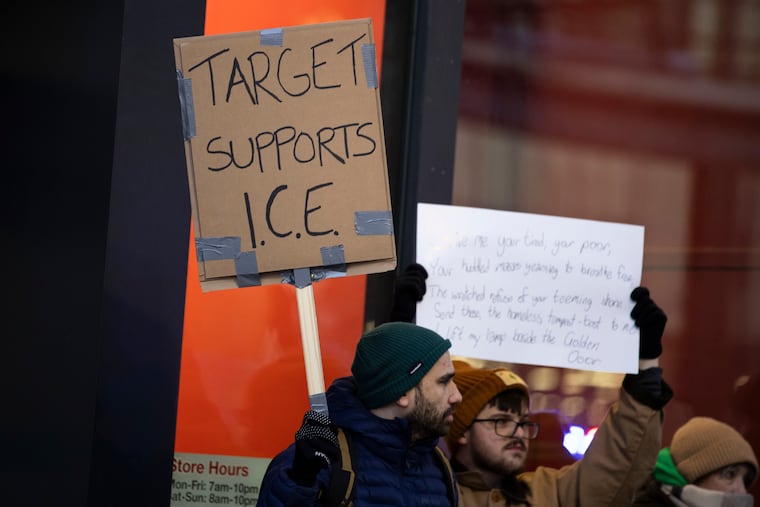
New strategies emerge to counteract Trump’s strict anti-immigration policies.
The concept of boycotts has played a pivotal role in shaping American social and political landscapes, often serving as a powerful tool for change. Historically significant events, such as the Montgomery bus boycott, demonstrate the potential for consumer activism to yield substantial outcomes. This notable campaign commenced over 70 years ago when Rosa Parks was arrested for refusing to relinquish her bus seat to a white passenger. This act of civil disobedience sparked outrage among Black residents, who subsequently refrained from using public transportation for 381 consecutive days. The boycott culminated in a landmark ruling by the U.S. Supreme Court, which determined that segregation on public buses violated constitutional principles.
In recent years, consumer activism has resurfaced, most notably in the case of Jimmy Kimmel’s late-night talk show. Following a controversial remark related to the assassination of a conservative figure, Kimmel’s program was abruptly removed from airing by ABC. A subsequent backlash from his fans resulted in a significant number of subscriptions to Disney+ and Hulu being canceled. The American Civil Liberties Union took action, with over 400 artists signing a letter in defense of Kimmel’s freedom of expression, ultimately leading to his return to the airwaves in less than a week.
A contemporary boycott currently gaining traction involves Target, which has been facing pushback since it scaled back its diversity, equity, and inclusion initiatives following the election of Donald Trump. Activists initiated a boycott urging the retailer not only to reinstate its DEI policies but also to fulfill its commitments to invest in Black-owned businesses. As a consequence, Target has reported alarming declines in foot traffic and a significant plunge in its stock value, indicating the ramifications of public sentiment on corporate strategies.
The economic implications of such consumer-led movements reinforce the adage that financial influence can drive corporate accountability. In response to mounting pressure, 60 CEOs from Minnesota’s major corporations, including Target, issued an open letter advocating for a de-escalation of tensions arising from aggressive immigration enforcement actions.
While the content of the letter was criticized for its lack of specifics, the act of publicly addressing these contentious issues marked a departure from the past silence often observed in corporate America concerning social justice matters.
As citizens and consumers alike reflect on their roles in the broader societal context, some individuals are taking proactive measures by reassessing their subscription services. A couple reported having canceled 12 of their services, including popular platforms such as HBO Max and Disney+, as a deliberate statement against corporate policies they found objectionable. This trend underscores a growing awareness and willingness among consumers to leverage their financial choices as a means of advocating for change.
Ultimately, these actions represent a significant first step toward greater accountability and reflect the power of collective consumer voices in fostering social justice. In an age where corporate decisions are increasingly swayed by public opinion, the message is clear: economic engagement can be a vital catalyst for transformation.
Media News Source.