New Tool Safeguards Philadelphia’s Murals Against Demolition and Development Threats
Philadelphia has long been celebrated for its vibrant street art scene, boasting an impressive collection of approximately 4,000 murals that adorn its neighborhoods. This prolific display of creativity has earned the city accolades such as the “Best City for Street Art” in America and the designation of “Mural Capital of the World.” The Mural Arts program has played a crucial role in cultivating this artistic landscape over the last 40 years, collaborating with local artists and community members to create large-scale public artworks.
Despite this cultural richness, Philadelphia’s murals face significant threats from urban development. An estimated half-dozen notable murals are lost each year due to demolition or construction. This trend raises concerns among city residents and artists alike, as the murals serve as vital cultural touchstones that reflect the community’s identity and history. Jane Golden, the founder and director of Mural Arts, highlights the importance of these artworks, emphasizing the community engagement that goes into their creation.
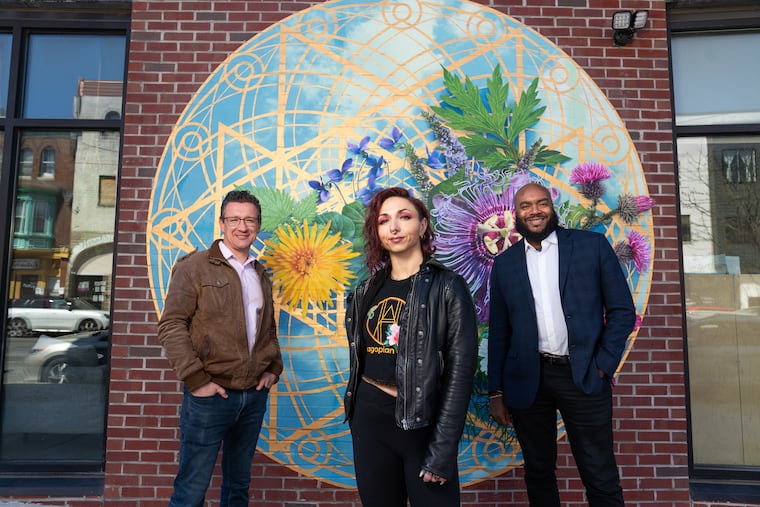
To combat the loss of these artistic expressions, Mural Arts has introduced a new preservation tool known as a preservation easement. This voluntary arrangement, designed by local developer Ryan Spak, requires building owners to either maintain existing murals on their properties or ensure that replacements are provided should demolition occur. Spak describes this easement as a progressive measure to safeguard public art, enhancing accountability among property developers.
The process of negotiation for these easements can also encourage developers to recreate murals in proximity to removed or obscured ones. This approach not only aims to preserve the artistic legacy of the city but also promotes responsible development practices. Smith, the communications director at Mural Arts, praises the preservation easement as a model that could be replicated in other cities facing similar challenges.
The surge in construction, particularly in areas close to Center City, poses ongoing risks to iconic murals. Notable works by artists Marcus Akinlana and Michelle Angela Ortiz have already succumbed to the pressures of urban renewal. As the landscape shifts and new developments rise, community members and artists are urged to take active roles in preserving these cultural assets.
Local muralists view the preservation of their work as a reflection of the community’s collective efforts and identity. As the city continues to evolve, the importance of maintaining Philadelphia’s artistic narrative becomes increasingly clear. The efforts by Mural Arts, combined with a commitment to community input and proactive preservation strategies, ensure that Philadelphia’s murals will remain integral to its character for years to come.
In conclusion, while the challenges posed by urban development are significant, the ongoing efforts to protect Philadelphia’s murals demonstrate a dedication to preserving the city’s cultural legacy. The introduction of preservation easements marks a vital step toward ensuring that both historic and contemporary artworks remain visible and appreciated, allowing the rich artistic story of Philadelphia to endure. As the city forges ahead, the community’s connection to its murals will continue to flourish, enriching the collective experience of residents and visitors alike.
Media News Source