Next Steps Following Initial ‘No Kings’ Rallies: What’s Happening Now?
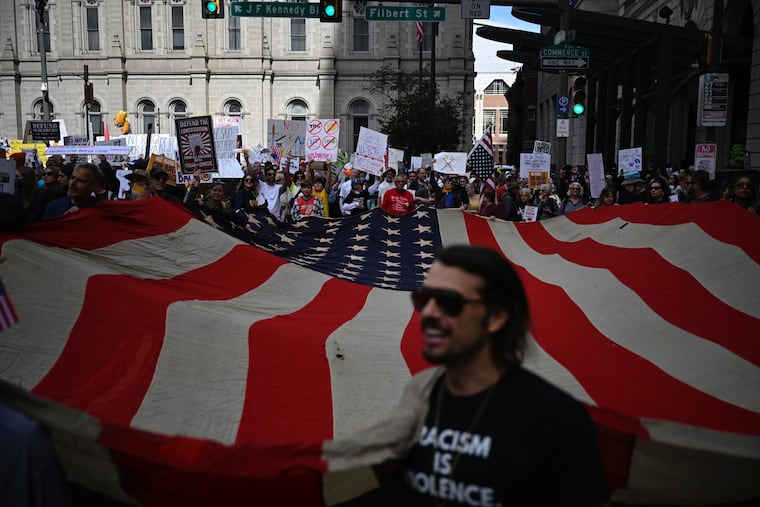
Recent protests featuring the slogan “No Kings” have sparked widespread discussion and critique, particularly regarding their focus and effectiveness. Originating as a rallying cry against perceived authoritarianism, these protests attracted approximately 7 million participants across the nation, highlighting significant public concern. Most notably, demographics indicated that the majority of participants were older and white, raising questions about the inclusiveness and objectives of these gatherings.
While the visual spectacle of such a large turnout is striking, critics argue that the protests lacked substance. Unlike historically significant protests that often carry clear demands and objectives, the “No Kings” movement seemed to resonate more as a celebratory event rather than a serious political statement. Participants engaged in activities such as singing and dancing, which, although fostering a sense of community, obscured the urgency and gravity typically associated with organized protests.
The absence of tangible demands has led to skepticism about the protests’ impact. For instance, many observers noted that similar movements in history, particularly during the Civil Rights Era, were marked by a distinct focus on specific goals, such as equality and justice. These movements fostered righteous anger that mobilized participants to take clear action—be it through protests, boycotts, or other forms of civil disobedience. In stark contrast, the “No Kings” demonstrations appeared to lack this critical framework.
Furthermore, the political response to the protests, particularly from figures such as former President Donald Trump, remains an area of concern. Instead of addressing the concerns voiced by demonstrators, reactions were often dismissive or mocking, exemplified by a controversial AI-generated video that did little to validate the protesters’ grievances. This response indicates that while the protests may have drawn attention, they failed to generate meaningful dialogue or change.
It is essential to understand that the fight for democracy and justice is not merely symbolic; it requires concrete demands and strategic actions that hold those in power accountable. Historical movements serve as a template for the current generation, demonstrating the need to articulate clear goals and foster a sense of urgency.
To ensure that these demonstrations yield meaningful results, activists must learn from past movements, clearly defining their goals and working towards systemic change. The engagement of marginalized communities is crucial; their inclusion can bring about a more expansive and resilient push for social justice. Ultimately, while the act of protesting is a powerful form of expression, it must translate into actionable demands to effectuate lasting change.
As discussions around the protests continue, one key takeaway remains: the importance of transforming public outcry into actionable policy that addresses systemic issues, ensuring that the collective energy of participants is harnessed towards meaningful and impactful change.